



 מטיילים חכם: סיכום העמוד ב-AI
כל המידע על גן לאומי קיסריה
ההגעה לקיסריה היא קלה: פשוט יורדים במחלף קיסריה שעל הכביש המהיר חיפה תל אביב וממשיכים בעזרת השילוט המצוין לכניסה הצפונית לגן הלאומי.
מעט היסטוריה
קיסריה נבנתה גדולה ומבוצרת, ממש לפני תחילת הספירה הנוצרית, על ידי הורדוס, שקיבל אותה במתנה מהקיסר אוגוסטוס, ולכבודו קרא לה קיסריה אוגוסטה. הוא בנה בה נמל גדול ומפואר, מרכז לסחר עם מדינות מעבר לים. לפני כן הייתה במקום עיר נמל קטנה צידונית בשם מגדלד סטרטון, שהייתה כלולה זמן קצר גם בממלכתו של המלך החשמונאי הגדול אלכסנדר ינאי. בשנת 30 לפנה"ס ניתן האזור של קיסריה להורדוס, המלך היהודי מטעם הרומאים, וזה בנה את העיר בין השנים 22-10 לפנה"ס.
יוסף בן מתתיהו מתאר: "הוא בחר לו על שפת הים עיר אחת אובדת, ושמה מגדל סטרטון, כי היתה יפת נוף וראויה להתכבד, ובנה מחדש את כלה אבנים לבנות וקשט אותה בארמון מלכים נהדר, ובו הראה לכל את תמונת רוחו הגדולה, כי בכל חוף הים בין דאר ובין יפו, לא היה נמל לאניות... המלך לא חס על הכסף ועל העמל הרב ברצותו לכבד את אוהביו וכבש את איתני הטבע והקים במקום ההוא נמל גדול מנמל פיריוס... ולמול פי הנמל מתנשא היכל הקיסר בראש גבעה, והוא נפלא בגדלו וכליל יפי, ובקרבו פסל ענק תבנית הקיסר, שנעשה כדמות פסל זאוס אשר באולימפיה..." (מלחמת היהודים, א, כא ה-ז).
קיסריה אכן נבנתה בצורה מפוארת וקל לראות זאת בסיור בעתיקותיה. בתקופה הרומית הייתה קיסריה העיר הגדולה בארץ, מושב הנציב הרומי וחיל-המצב הרומי. היא הייתה מיושבת אוכלוסיה מעורבת של יהודים, שומרונים ונוכרים, ולעיתים קרובות פרצו ביניהם סכסוכים. אחד הסכסוכים האלה, בשנת 66 לספירה, אודות זכות מעבר ליד בית כנסת, היווה עילה לפרוץ המרד הגדול. מקיסריה יצאו הלגיונות לדיכוי המרד, ובה הוכרז המצביא אספסיאנוס לקיסר רומא. אחרי המרד וחורבן בית שני, הפכה לבירת הפרובינציה הרומית יודיאה, ולאות תודה על העזרה של תושבי קיסריה במרד הגדול כנגד היהודים, הם שוחררו ממיסים רבים.
במאה השנייה לספירה התחדש הישוב היהודי בה, ובימי המשנה והתלמוד הייתה מושב לתנאים ואמוראים רבים. רבי עקיבא ותלמידיו פעלו בה, ומרד בר-כוכבא החל שם. בתקופה ביזנטית הייתה מרכז נוצרי חשוב, ואז הגיעה לשיא במספר האוכלוסייה - 100,000 איש. במאה השביעית כמו כל ארץ ישראל, נכבשה קיסריה על ידי הערבים והיא ננטשה כמעט לגמרי, היא הפכה לנמל קטן ושולי על קו החוף של הממלכה הערבית הקדומה. התקופה הבאה אשר הותירה את חותמה בקיסריה היא התקופה הצלבנית. בשנת 1101 נכבשה העיר עי הצלבנים מבית גרניה, אשר התבצרו בה והקימו בה נמל. הסולטאן הממלוכי ביברס כובש אותה בשנת - 1265, ויורשו אל-אשרף החריב אותה עד עפר. במשך מאות שנים עומדת קיסריה בחורבנה עד שבתקופה התורכית התיישבו בה פליטים מוסלמים שהקימו בה כפר חקלאי קטן.
המסלול
את המסלול אמליץ להתחיל מן הצד הצפוני - זהו הצד הצלבני. שער הכניסה של העיר מעיד על תכנון מדוקדק להגנתה מפני תוקפים. החפיר שמסביב לחומה הגבוהה והמרשימה, עליו היה גשר שהוביל לשער הכפול (ניתן להבחין בחורים עבור צירי הדלת וכן במסילה של שער הסורגים היורד). החלונות נהיים צרים כלפי חוץ ומאפשרי הגנה לשומרים על שער הכניסה בד בבד עם יכולת ירי אל תוקפים מבחוץ. מראש החומה יכלו השומרים לזרוק שמן רותח או אבנים שהוכנו מראש למשימה זו. גם שתי הפניות בכניסה לעיר, תוכננו בקפידה והן סייעו להאט את התוקפים הנכנסים. לצערם של הצלבנים כל זה לא עזר והעיר אכן נכבשה.
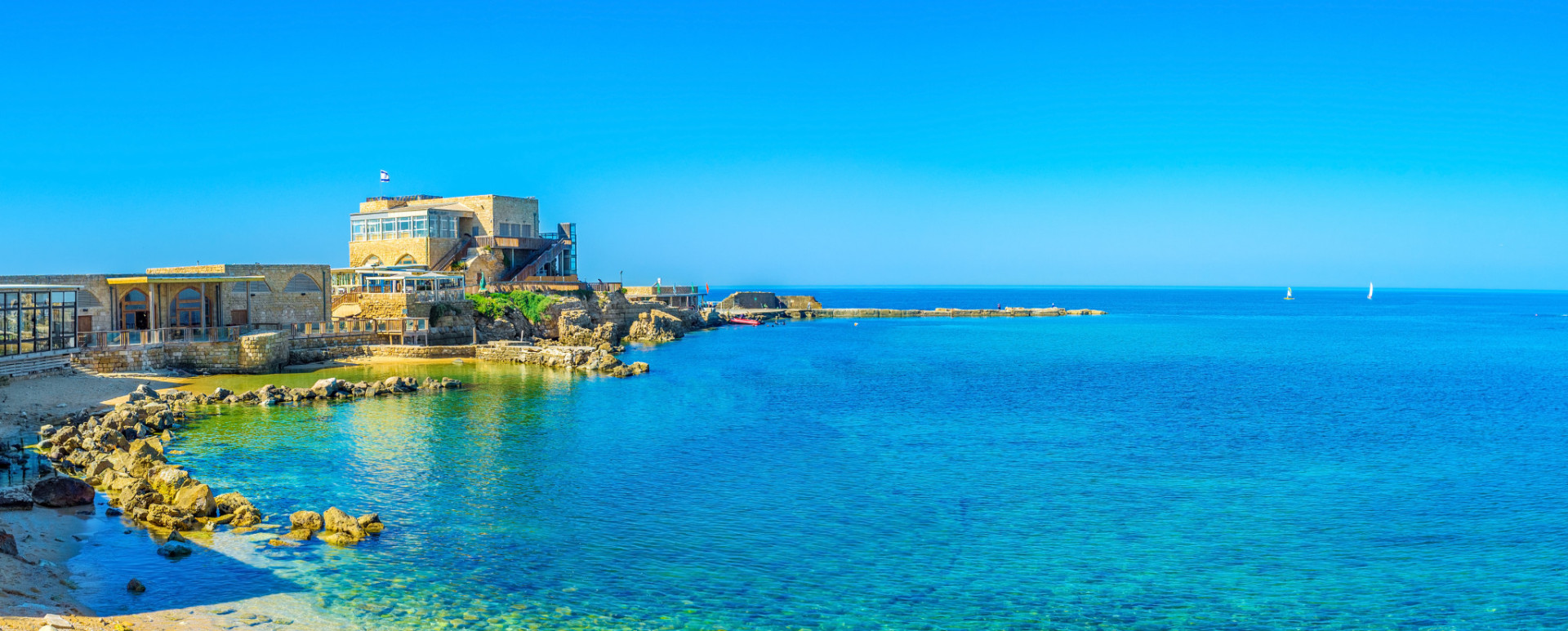
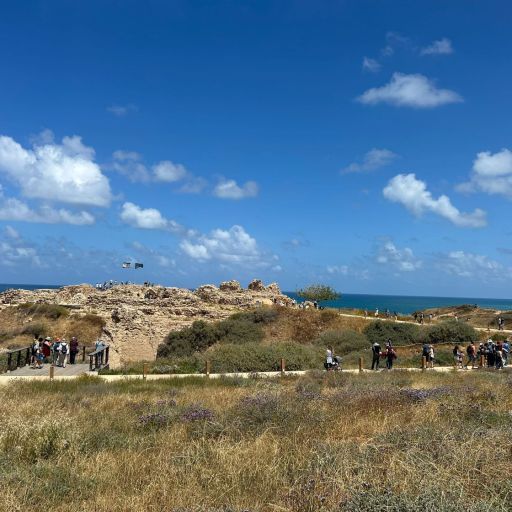
עם הכניסה לעיר, נפנה שמאלה (דרומה) נעבור דרך חנויות באחד מרחובות העיר, עד שנגיע למעבר לפשפש סודי בחומה. דרך דלת סודית זו יכלו הצלבנים לצאת בשעת מצור ולהעביר מסרים כמו גם דברים חשובים אחרים אל ומהחוץ. נפנה ימינה ונמשיך לעבר מתחם הכנסיות. כנסיות אלו נמצאות על מסגד עתיק שגם הוא נמצא על גבי מקדש עתיק מתקופת הורדוס, מקדש לרומא ולאוגוסטוס הקיסר (קיסר רומי היה כאל).תצפית יפה מכאן מראה לנו את שרידי הכפר הבוסני מהמאה ה19- וכן את שובר הגלים של הנמל היום. הנמל העתיק לצערנו נמצא מספר מטרים מתחת לפני הים, מעט צפונה מהמזח של היום. הנמל, גם בתקופה הצלבנית , אך בוודאי בתקופה הרומית היה אחד החשובים בארץ ישראל. הורדוס השקיע כסף רב בבניית נמל זה אשר כלל מספר חלקים. בשונה מנמלים אחרים בארץ (יפו, עכו ודור) אשר נמצאים במפרצים טבעיים, הורדוס בנה שובר גלים מלאכותי מסיבי אשר הגן על הספינות החונות בנמל מפני הגלים. יסודותיו של שובר הגלים לא החזיקו עם השנים וזה שקע מתחת למים וכיום ניתן לבקר בו רק בצלילה.
נמשיך לעבר שוק האמנים וממנו דרך שער נעבור לעיר מהתקופה הרומית. נזכור כי מפלס המים היה מעט יותר נמוך לפני 2000 שנה ולכן ההיפודרום הנראה מולנו מדרום, לא היה כל כך קרוב לשפת המים. נלך דרומה עד להיפודרום. משמאל נבחין במחסנים גדולים, אלו שימוש לאכסון התבואה והסחורות שהגיעו מן הנמל. דמיינו לעצמכן את שאון העסקים באזור נמל עיקרי זה של ארץ ישראל, אפשר ממש להריח את הדגים והתבלינים. לפני ההיפודרום (אשר שימש למרוצי מרכבות סוסים) נפנה שמאלה, (מזרחה) לעבר לב האזור המסחרי, בדרך נגלה בית שימוש ציבורי ואת גנזך המוכסים. נפנה ימינה ונגיע לבית עשירים ובהמשך לבית מרחץ. נשוטט בבית המרחץ, נשים לב פסיפסים המפוארים, ולחדרים השונים. מאחר ובתקופה זו השימוש בסבון לא היה נפוץ, המעבר בבית המרחץ מחדר המים הקרים, לפושרים ולבסוף לחמים, עזר לפתוח את הנקבוביות ולנקות את העור. תוסיפו לכך את הסאונה ותקבלו בילוי לא רע. ניתן לראות את הקירות והרצפה בהם יש צינורות להעברת האוויר החם.
ההיפודרום
נרד בחזרה לכיוון ההיפודרום שמידותיו 95 על 460 מטרים. הוא שימש לתחרויות של 2 או 4 מרכבות (מומלץ לראות בהקשר זה את הסרט בן חור או כמובן לקרוא את הספר). באמצע ההיפודרום הייתה שידרית ועליה אובליסק מפואר. סהכ היו בהיפודרום 10000 מקומות ישיבה דבר זה מעיד על עוצמתה וגודלה של העיר.
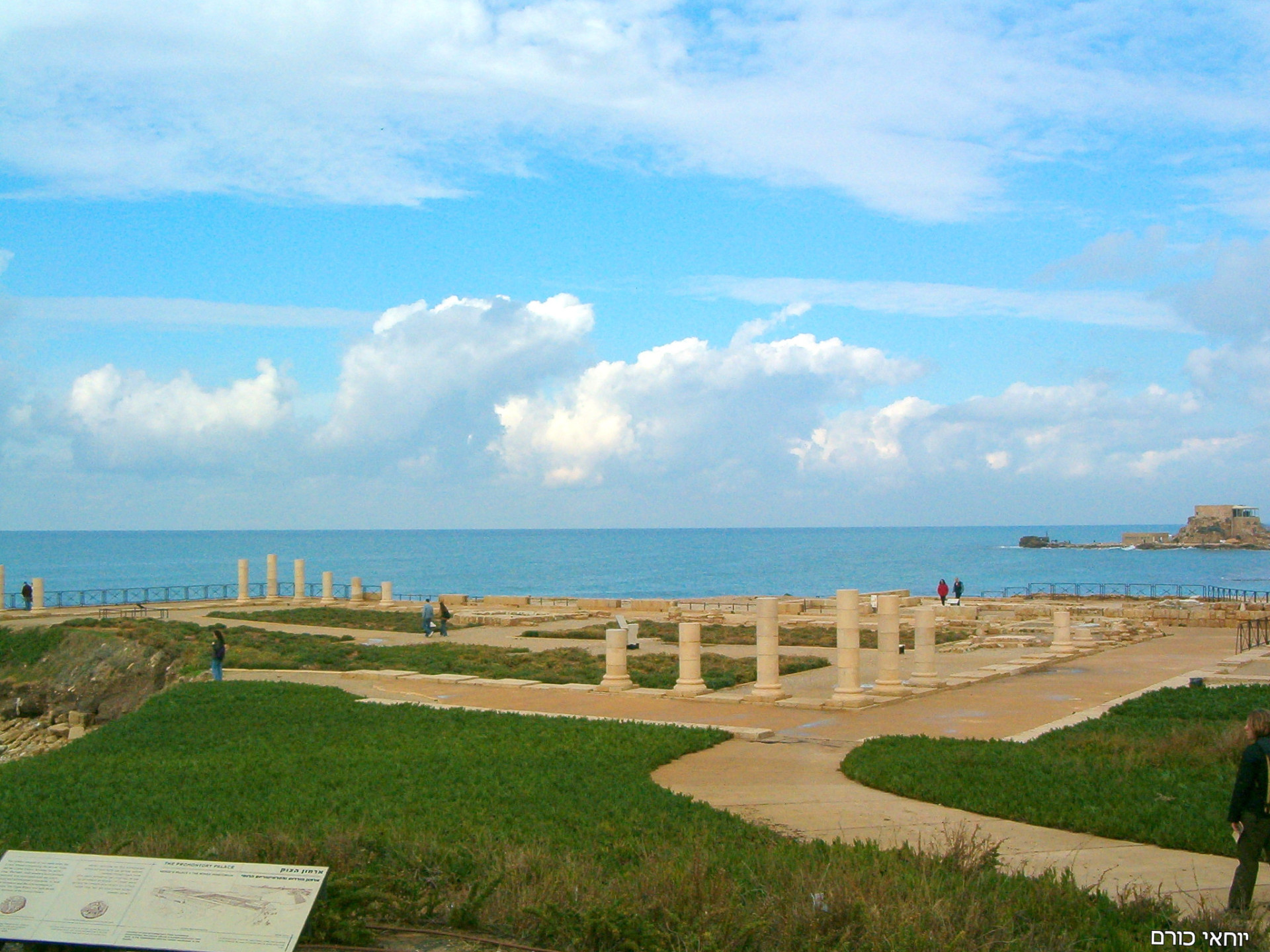
נעלה במדרגות הקרובות יותר לים ונגיע עד לארמונו של הורדוס. ארמון זה הכיל בריכה פנימית מפוארת. שוב נשתמש בתיאוריו של יוסף בן מתתיהו: "הבניין כולו הגיע לידי גמר בשנה העשירית, ואילו מועד חנוכתו חל בשנת עשרים ושמונה למלכותו באולימפיאדה המאה ותשעים ושתיים. מיד עם חנוכת העיר היו חגיגות גדולות והכנות מופלגות בהוצאות, שכן הכריז על התחרות במוסיקי ובמשחקים גימניקיים, והכין המון רב של לוחמי ביניים וחיות ומרוץ סוסים... והקיסר שלח לו משלו את כל הכלים וכגון אלה, ויוליה אשת הקיסר אף היא שלחה רבים מן היקרים ביותר שהיו ברומי... ושהתכנסו בעיר המון רב לראות והמשלחות ששיגרו העמים בגלל הטובות שזכו להן, קיבל הורדוס את פני כולם האכסניות ושולחנות ובחגיגות שאינן פוסקות; בימים היו לו להמון העובר בדרך תענוגות המחזות, ובלילות - ההילולות" (קדמוניות היהודים, טז, 136-141).
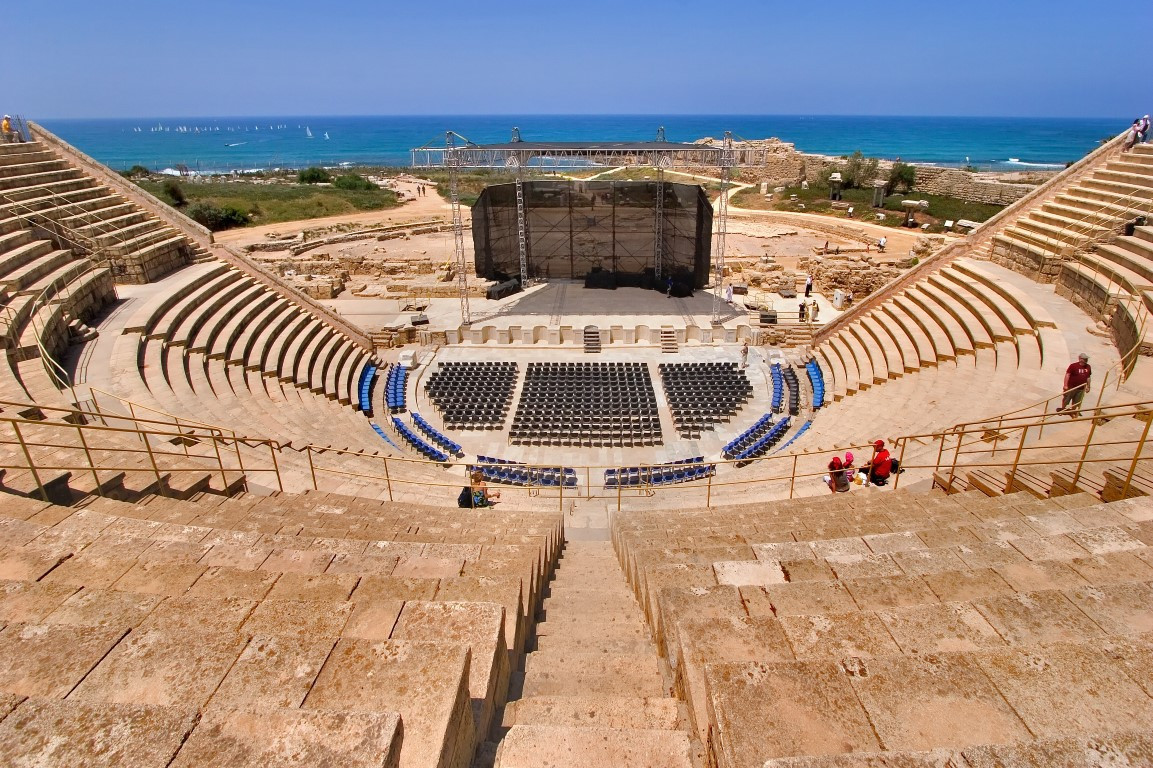
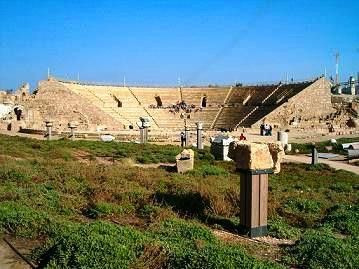
מכאן נמשיך במעלה ודרך השער לגן המרשים בו ניתן ללמוד מעט על ארכיטקטורה רומית כותרות עמודים ועוד. לבסוף נגיע לתיאטרון. התיאטרון אשר הכיל 4000 מושבים נבנה בקפידה על פי הקריטריונים לבניית תיאטראות. יש בו שני יציעים, רחבת תזמורת, אשר רוצפה בשיש, ומאחורי הבמה עמד קיר הסקנה המפואר ששימש כרקע ותפאורה לבמה.
כאן נסיים את ביקורנו. הליכה קצרה על הכביש תביא אותנו בחזרה למגרש המכוניות.
מומלץ לשלב את המסלול הזה עם טיול באמות המים של קיסריה או בנחל תנינים, וכן ליהנות מהשקיעה בחוף הקשתות הנמצא מעט צפונית לעתיקות. מוזיאון לעתיקות קיסריה נמצא בקיבוץ שדות ים הסמוך.







.jpeg?&width=576&height=600)




היי,
מה תרצה לכתוב על "גן לאומי קיסריה"?
הטיול לקיסריה מהמם.
היונו בקיסריה ב29.08 - היה ממש חם.
מומלץ לקחת המון מים וכובע ולהגיע מוקדם לפני שנהיה ממש חם.
חוץ מהחום הטיול ממש מומלץ.
Была недавно в Кейсарии.Без гида, сама все осматривала и домысливала.Конечно поражают масштабы.Я в полном восторге.Но не все удалось столь обстоятельно посмотреть..Обязательно еще раз там побываю..
התחלנו מהקטע הצלבני.היה קצת לא נוח בהתחלה עם העגלה של התינוקת אבל אחר כך בסדר.המשכנו לתוך דשא גדול עם בריכת מים קטנה ועתיקות ונות.המשכנו להיפודרום המרשים ,לא יכלנו שלא להתרשם מהטיילת לים היפהפהיה.המשכנו משם לפינה מ… וצלת ואכלנו ארוחת בוקר.לאחר מכן ראינו את האמפי המרשים וכמובן טיפסנו עד למעלה.המשכנו לשרידי העמודים ותצפית על הים, גילינו בריכה קטנה ממש קרוב לים והשתכשכנו בה.סה"כ היה מהנה מאוד חוץ מהחום המעיק אבל המקום דיי מושקע ובכלל נעים לראות קבוצות רבות של תיירים שמתלהבים ומתרשמים גם כן.
הסיור בקיסריה הוא שילוב מושלם של רומנטיקה והיסטוריה. אין ספק שהורדוס ידע מה הוא עושה ועם קצת דימיון אפשר ממש לחוש את הפאר וההדר שייחדו את העיר. מומלץ!!