


 מטיילים חכם: סיכום העמוד ב-AI
הערות למסלול
המסלול מתאים מאוד גם לרוכבי אופניים שיכולים להשאיר את רכבם בבית ספר שדה חצבה, ולרכב עד להר מסור באופניים. המסלול המעגלי עצמו, מיועד להולכי רגל בלבד.
אף על פי שאורכו של המסלול הוא כ-2.5 ק''מ בלבד, הוא אינו קל מאחר והוא דורש טיפוס לא פשוט על הסכין שבראש ההר ובהמשך ירידה במעוק שבעונת החורף יתכן וגביו מלאים במים. מתאים למשפחות מטיבות לכת. הכניסה לאזור כרוכה בכניסה לשטח אש ולכן אין לטייל במסלול זה באמצע השבוע ללא תאום עם הצבא. בסופי שבוע וחגים אין צורך בתאום. (יש לחייג למתא”ם פיקוד דרום במספר – 08-9902926/8 לפחות יומיים לפני היציאה לטיול, בין השעות 8:00 ל-17:00, לא כולל שישי-שבת). יש להכנס לשטח, לפחות 4 שעות לפני השקיעה.
איך מגיעים
נוסעים על כביש הערבה (כביש 90), עד לפניה לחצבה ולבית ספר שדה חצבה. בצד הדרום מערבי של הצומת (צד ימין לאלו שבאים מצפון), פונים לדרך עפר המשולטת נחל מסור והמסומנת בסימון שבילים ירוק הפונה מהכביש מזרחה [1 במפה]. דרך עפר זו, נמצאת כ 150 מטרים מצפון לאבן דרך 155. על דרך עפר זו יש לנסוע כ 12.4 ק''מ. הדרך מתאימה גם לרכב פרטי עם עבירות בינונית בתנאי שהנהג/ת נוהגים בזהירות. מומלץ לאפס בתחילת הדרך את מד הקילומטרים ברכב כדי לראות כמה עוד נשאר.

עוד נמשכת שיירה במסלולי הערבה
בואו לגלות מסע שטח קליל עם כל המשפחה בשמורת עין יהב המרהיבה

הנסיעה בדרך העפר
לאחר כ 2.2 ק''מ, חוצה את הדרך, דרך עפר נוספת המסומנת בסימון שבילים שחור [2], דרך זו נקראת ציר המעיינות מאחר והיא עוברת לאורך מעיינות אשר בשולי נחל הערבה.
נמשיך עם דרך העפר הירוקה. לאחר כ-7 קמ לערך מתחילתה של דרך העפר [3], נגיע לאזור שנקרא בחיל האוויר, מטווח 90. זהו אזור אימונים של חיל האוויר. יעידו על כך שרידי כלי הרכב והמטוסים (בינם זוג סקייהוקים) המשמשים כמטרות לאימוני מטוסי חיל האויר.
לאחר כ-10 קמ נכנסת הדרך לתוך ערוץ הנחל. מרגישים זאת לפי הזיפזיפ שעלינו לחצות עם הרכב. לאחר ק''מ נוסף [4], האפיק, ואנו איתו, נצמדים לקיר זקוף שהנחל התחתר בו ולאחר כ 12.4 ק''מ מבראשית הנסיעה, נגיע לנקודת תחילת המסלול שבו נפגש השביל הירוק עם שביל אדום [5].
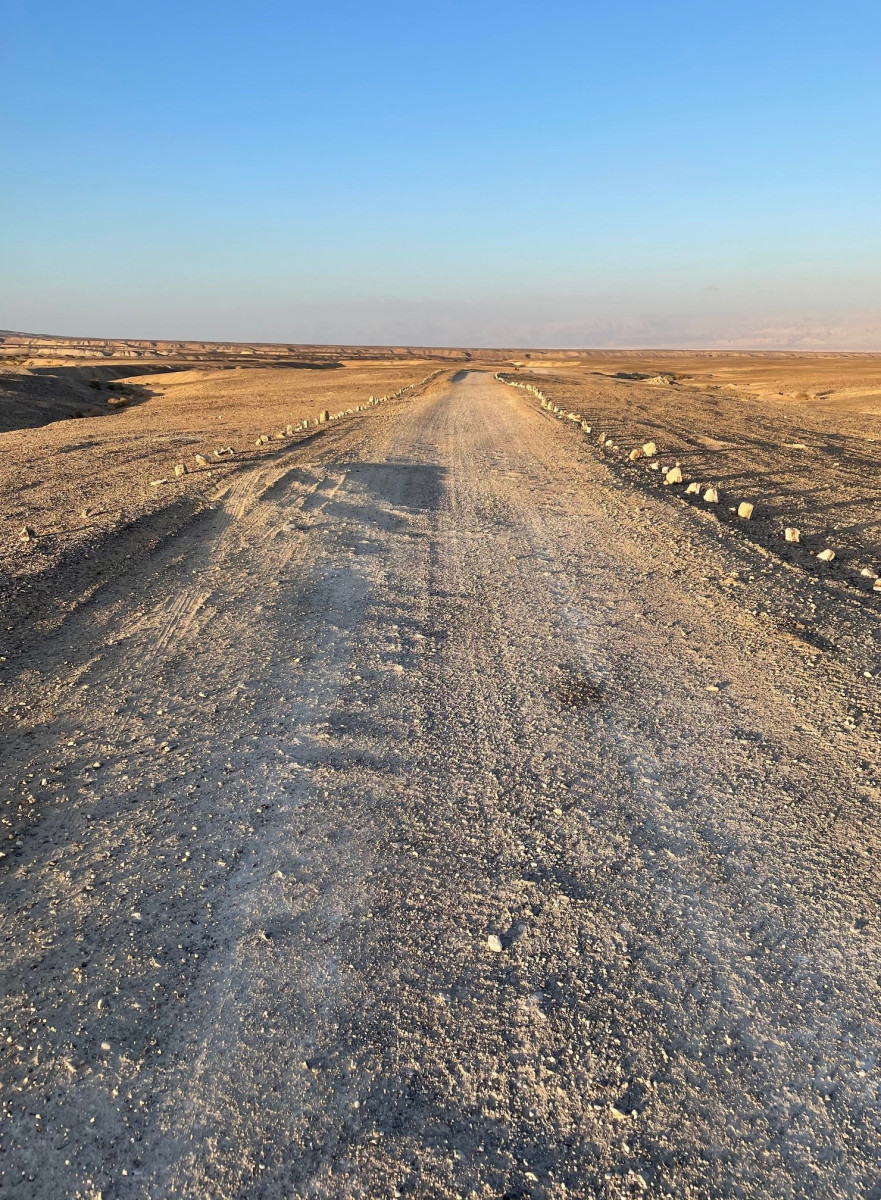
נסיעה בדרכי עפר | צילום: ארז דגן
המסלול הרגלי
נשאיר את הרכב (מוטב לא להשאיר דבר ברכב מחשש לפריצה) ונלך עם הסימון הירוק הפונה שמאלה והופך עד מהרה לשביל המתאים להולכי רגל בלבד. כעבור כ-250 מטרים, מתחיל השביל לטפס לעבר הר מסור הנראה מעלינו [6]. הטיפוס להר לא קל בכלל. לקראת סופו, ההליכה היא בשיפוע חד המצריך לעיתים להיעזר בידיים ואף ביתדות התקועות בסלע. גם לאמיצים בינינו, יכולה ההליכה לגרום לרטט קל בלב ומומלץ להיעזר בישבן ובידיים לשם התקדמות בטוחה.
הר מסור
הנוף המרהיב הנשקף מכל עבר מבטיח כי הטיפוס היה שווה כל טיפת זעה. בנקודה זו מומלץ לעשות הפסקה לקפה וארוחת קלה. אנו נמצאים בהר מסור המתנשא לגובה של 180 מטרים מעל פני היה, שהם כ-150 מטרים מעל פני השטח באזור זה. ממזרח ניתן לראות באופק את הישובים (מצפון לדרום): עידן, עין חצבה, חצבה ועין יהב. מעבר להם מתנשאים הרי אדום.
מתחת מתחתר נחל מסור, אשר בדומה לנחלים האדירים אשר מעבר לגבול, בהרי אדום, נשפך על נחל הערבה ומתנקז לים המלח צפון לו. נחל הערבה זורם מדרום לצפון ומנקז אזור עצום של הנגב, מנחל פארן ועד הנחלים צפית ותמר. מתחתנו נחל מסור – המנסר את פני השטח מזרחה.
הנחל, הנקרא בערבית ואדי מונשר או ואדי אבו סוירה, יורד מרכס מחמל אל צפון הערבה ומתחת לאורך השלוחה הצפון מזרחית של השבר הגיאולוגי סעד – נפחא. אמנם, אין שבר זה ידוע ומוכר לציבור כשבר הסורי אפריקאי, בו זורם נחל הערבה, אך כבודו במקומו מונח שכן נחל זה מבתר את הנגב לכל רוחבו (ואף ממשיך לסיני), ויוצר את פני השטח המרהיבים הנשקפים מהתצפית.
אכן מדבר סביב, וצמחיה מתרכזת בעיקר באפיקי הנחלים החורצים את המרחב. נוכל להבחין בעצי שיטה סלילנית ושיטה סוככנית (עליהם מטפס הרנוג השיטים) הבולטים במרחב. לצידם צומחים צמחים אשר הסתגלו לחום וליובש כגון: מלוח קיפח, ימלוח פגום, יפרוק המדבר, זוגן השיח, חומעה ורודה, כתלה חריפה, רותם המדבר ועוד.
לאחר ששבענו מהאוכל, מהתצפית ומהצילום, נמשיך מערבה עם השביל הירוק המתחיל לרדת מההר. לאחר כ-300 מטרים משנה השביל את צבעו והופך לסימון שבילים אדום. נמשיך עם סימון זה במורד צלע ההר בשביל יפה היורד לעבר נחל מסור [7].

תצפיות מרהיבות | צילום: ארז דגן
המעוק
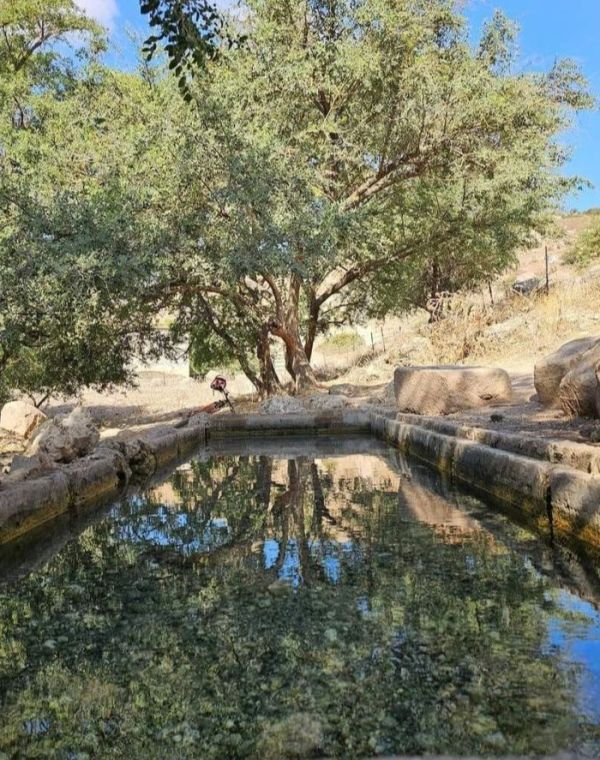
השביל מוביל אותנו במעלה הגדה השנייה של הנחל, לטיפוס קליל שאורך כ15 דקות המביא אותו לתחילתו [8] של מעוק מרשים של אחד היובלים של נחל מסור המתחתר באבן גירנית. הירידה במעוק הרפתקנית וכיפית, ודורשת שימוש זהיר בישבן, בידיים וברגלים בעת הירידה את המפלונים הקטנים. לאחר גשם סביר כי הגבים יהיו מלאים. לקראת סוף המעוק באחד הגבים מומלץ להעזר בגזע עץ אשר בחר לצמוח דווקא באמצע המעוק, אולי בכדי לשמש לנו כסולם.
לאחר היציאה מהמעוק [9] יוביל אותנו השביל האדום, לאחר כ-200 מטרים בבטחה לרכב.

תראו איזה יופי! | צילום: ארז דגן








.jpeg?&width=576&height=600)





היי,
מה תרצה לכתוב על "הר מסור"?
הנסיעה מהכביש ועד לתחילת המסלול אינה קצרה והיא על דרך כורכר ואז בערוץ נחל… ולכן יש להאט לקראת כל בור. מציע מאוד לא לבחון אם אבן/סלע שבולט באמצע בשביל יגרד/או לא את תחתית הרכב. מוטב צמיג מפונצ'ר ממנוע מפונצ'ר.
הדרך עצמה לתחילת המסלול יפה מאוד ויש לפחות שלוש נקודות שכדאי לעצור לידן (בהלוך או בחזור, לשיקולכם לפי הלוז) שלושתן מצד שמאל (דרום) . הראשונה ניראית כמו קריסת בולדרי סלע ענקיים ותיכף בהמשך לוחות דפי-סלע גדולים שנפרסו בזוויות שונות. מעט בהמשך יש את שלדת מטוס הסקייהוק 235.
בתחילת המסלול יש עמוד שלטים שמכוונים. המסלול האדום לוקח לגבים ומשם בדרך ההפוכה, להר מסור. המסלול הירוק זה המסלול המסורתי יותר בו קודם עולים את ההר ומשם יורדים.
המסלול עצמו די מאתגר ומחייב לפחות 2 ליטר מיים למטייל. במהלך העליה מומלץ לעצור 3 פעמים להסדרת נשימה ולשתיית מיים.
אני לא חושב שהמסלול מתאים לילדים קטנים, לאנשים עם רקע של פחד גבהים וכו'.
הירידה במסלול האדום רגועה יותר אבל יש סוג של קאץ'. אם אתם לא שמים לב אס כשיורדים חזרה לערוץ הנחל, הנטיה הטבעית לפנות ימינה וללכת לאורכו בחזרה לחניה. המסלול האדום דורש טיפוס נוסף כמתואר כאן, כדי להגיע לגבים. הגבים נכון לתאריך לעיל לא היו מלאים ולא נדרש מאמץ לעבור אותם.
אני מטייל מאוד מנוסה והמסלול פשוט קצר ומתגמל.
אבל! זה לא מסלול שאתם מגיעים אליו כלאחר יד וללא ביטחון וניסיון בהליכת צוקים (וזה לא ענין של גיל אלא יותר של שילוב של בגרות ויכולת) . אז לפני שמגי… עים תשאלו את עצמכם- האם יש לכם ניסיון עם יתדות בחשיפה לתהום (למשל חוד עקב) האם יש מסוגלות לטיפוס קצר ומאומץ עם קרקע מסלעית מפתיעה (נניח הגעה לגב חלון בנחל דויד) והאם אין בעיה ללכת הליכת בולדרים בחשיפה למים קרים (דוגמת נחל גוב) . כרגע אחרי שיטפונות רק רכב גבוה ועדיף 4X4 אחרת רק רכב מאוד נחוש אולי יצליח להגיע. וכמובן שטח אש אז רק סופשים/חגים.
Https://Www.youtube.com/Watch? V=7Yb6Nq59Qra
כל המסלול כולו לקח לי כשעה וקצת, אני מניח שבהליכה איטית עם הרבה עצירות למנוחה וקפה אפשר לעשות אותו בשעתיים וקצת.
תהנו
היינו ב-21/4/2017, היינו 2 זוגות, המסלול קשה מאד במיוחד הטיפוס על ההר, דרגת קושי קשה למי שלא רגיל לטפס על הרים, בנוסף מסלול הליכה קשה ותלול עם סיכון להחלקה בזמן הטיפוס, לדעתי לא מומלץ לילדים ולא לתינוקות, חובה להצטייד עם … הרבה מים שבוב פעמיים לפני יציאה למסלול זה, אין קליטה סלולרית באזור אם קורה משהוא אי אךשר ליצור קשר
המסלול יפה ובעיקר כשמגיעים לשיא הגובה. היינו שתי משפחות עם ילדים צעירים ולא ממש הבנו כמה הוא מסוכן עד שהגענו לסכין, היה ממש מפחיד ולא אחראי עם הילדים. ממליץ לראות ביוטיוב לפני שמחליטים אם… מתאים לכם, בתיאורי המסלול באינטרנט לא ראינו הזהרות בנושא. לקח לנו כשלוש שעות, מומלץ לקחת הרבה מים.
מסלול מוצלח מאוד לתקופה הנוכחית של השנה, מעט מאתגר, אנחנו היינו עם ילדים בני 6, 9 ועוד חבורה גדולה יותר, לא הרגשנו בשום מקום שאנו מסכנים את הילדים דאגנו ללכת לאט ובזהירות, יש ללכת מהמסלול הירוק ולרדת באדום, מומלץ בחו… ם לעונה הנוכחית
המסלול הירוק המוביל לפסגת ההר מסוכן למשפחות עם ילדים. מתאים רק כטיול אתגרי לבעלי קור רוח וללא פחד גבהים.
עשינו עם 4 ילדים, הגדול בן 11 הקטנה בת 2.5 (על הגב) ונהננו מאוד.
דוקא הילדים הקדימו אותנו.
לא לשכוח לקחת לפחות 2 ליטר לאדם.
Ехать и вправду далеко) ехали из герцлии.грунтовка разбитая,проехать можно(если подвеску не жалко).стоянки нету,но если доехали,то за машину можно не переживать(красть некому).маршрут прикольный,хоть и короткий(управились за 2 ча… са,с подъёмом,распитием,спуском).подъём на гору офигенный,вид с горы суперский!!!были зимой,было вообще не холодно))летом бы не поехал.всем удачи и всех благ!путешествуйте,нефиг дома сидеть)
המסלול הזה מוצג באינטרנט כמסלול בינוני שמותאם לילדים גם קטנים. ובכן, עשינו את המסלול היום ואנחנו עדיין תחת החרדה הגדולה שליוותה אותנו בטיפוס. הלכנו עם בנים בני 11, 9 ו כמעט 7. כן הם עברו את המסלול… בסדר אבל זה בגלל שהם היו באיזה חוסר מודעות לסכנה בשל גילם הצעיר. אני ואבא שלהם התפללנו כל הדרך שאף אחד לא יפול!! הר גבוה מאוד,מצוק תלול שמתאים רק למטפסים מנוסים. אני ממש מצטערת שסיכנו את המשפחה שלנו ככה.
הגישה דרך שביל העפר יכולה להיות קשה לרכב פרטי רגיל - בעיקר החלק שבתוך הנחל. החול הרך יכול לגרום לאיבוד שליטה או להיתקעות של האוטו.
יחד עם זאת, צלחתי את הדרך עם דייהטסו סיריון עתיקה, אז לשיקולכם.
העלייה להר אכן קשה… והחלק של הפסגה בהחלט אינו לבעלי לב חלש. הכירו טוב את המטיילים איתכם אם אתם לא רוצים שייקפאו לכם מפחד שם למעלה.
עם כל זאת, המסלול יפה מאוד ובהחלט מרשים. שווה.
המסלול נחמד אולם קטע הטיפוס אל ראש ההר דורש מיומנות והוא מסוכן, אין מספיק יתדות לתמיכה, סכנת התדרדרות ונפילה. ממש לא מומלץ למי שאין לא ניסיון, ולא מומלץ בכלל לילדים.
הנסיעה בדרך העפר עד לתחילת המסלול - 12 ק"מ - א… ם אין לכם רכב 4X4 או ליסינג :) צפו לנסיעה איטית ומעייפת של 45 דקות
עשינו את ההר ב27/9
בנוגע לנסיעה בדרך העפר אנחנו עשינו אותה ברכב פרייבט אבל הדרך מטלטלת ומן הסתם עדיף רכב 4X4. משך הנסיעה בתוך שטח האש (לאחר היריד ימינה מן הכביש) הוא 40 דק' וגם את זה יש לקחת בחשבון. שימו לב שאם אתם לבד בש… טח זה פחות נחמד כי הנסיעה בדרך העפר ארוכה.
בשטח כבר אין זוג סקייהוקים אלא רק אחד די רעוע.
אנחנו לא סיימנו את המסלול כמעגלי אלא רק עלינו לפסגה וירדנו. המקום די יפה אך העלייה מאוד תלולה ולא מתאימה בכלל לאנשים עם פחד גבהים או מי שמפחד כי אין בכלל ברזלים או במה להיאחז מלבד הסלע עצמו.
מי שנוסע במיוחד ולא מתכנן שהות ארוכה לא בטוח שהמסלול שווה נסיעה עד לשם. אם אתם בדרך לאילת שווה. :)
עשינו היום את המסלול בשעות הצהריים אני ואבא שלי, קצב טוב (לא מהיר מידי) ולקח לנו כשעתיים בדיוק לא כולל הפסקת קפה.
דגשים, במהלך הנסיעה על שביל הג'יפים לאחר שרואים את הסקייהוק (מגניב למדי) יש נפלים רבים בשטח בעיקר חלקי פ… צצות. רובן שלמות ומגיעות לחצי טון חומר נפץ. אין להתקרב בשום פנים ואופן למרות שזה מאוד מפתה. הפצצות נמצאות על זמן שאול ומסוכנות מאוד.
אין חשש כל כך לפריצת רכבים, הבדואים מפחדים להסתובב שם בגלל חיה"א.
העלייה קצת אתגרית ומחליקה, לא סיפור גדול מידי.
אין צל עד המעוק, קחו בחשבון.
לסיכום, מסלול נפלא. למעוניינים מומלץ לעשות את המסלול כ4 שעות לפני כניסת החשיכה. ככה לא תהיה שמש חזקה ותוכלו להינות מנוף נהדר.
Очень не плохой маршрут. Лёгкий к прохождению.Возможно пройти с детьми.
Есть только несколько недостатков . Нет ханйона лайла. И место положение вдали от всего. То есть нужно комбинировать с чем то. Не спеша маршрут можно прой… ти за два часа.
הגבים במעוק של הר המסור מלאים במים. בערך גובה מותניים של מבוגר (בגב העמוק ביותר)
תודה מראש וחג שמח
מיכאל
היינו 15 בני משפחה מגיל 2 עד 67 כולם עלו להר בירוק וירדו באדום כולל ילדים בגיל 3.5 שהלכו את כל המסלול ברגל לבד.
טיול מאד נחמד ומומלץ לחובבי הליכה לא שיגרתית.
כניסה עם רכב פרטי במהירות ממוצעת 25 קמ"ש אורכת כחצי שעה… וגם היא חלק יפה מהטיול והחוויה
עכשיו לאחר הגשם הקל שם רב הפרחים פורחים והרנוג השיטים שמכסה את עצי השיטה בפריחה אדומה ממש יפה.
כל המשפחה התמקמה ל-2 לילות בביס"ש חצבה ומאד נהנו מהמקום. ביום הראשון כולנו טילנו לאורך נחל פרס וגבי פרס כוול העליה מהמפל. אתרון קל שהילדים ממש נהנו
רמי
שימו לב,נכון להיום השטח מוגדר כשטח אש והכניסה אסורה בכל ימות השנה, כולל שבתות וחגים.
מי עושה דבר כזה ???
אנחנו זוג מיטיבי לכת בני 30. עשינו את המסלול בשעה ורבע עם כמה עצירות. ברכב פרטי הדרך הלוך לקחה 40 דקות וחזור 50 דקות כולל עצירות לתצלום עם המטוסים. אני לא בטוח ששווה את המאמץ אם אין ג'יפ ש… מקצר את זמן ההגעה מהכביש.
המסלול עצמו ממש יפה החל מהטיפוס על ההר וכלה בירידה בנחל. חבל שהוא כזה קצר.
בשבועות האחרון 21.5.10, טיילנו 2 משפחות בהר מסור עם ילדים מיטיבי לכת בני 10,6, 1.7 (במנשא גב) ו9 חד' (מנשא קדמי). הטיפוס אכן עושה דפיקות לב ומיועד לבעלי לב חזק וילדים ממושמעים ואמיצים בלבד.
בגבים, לצערנו, כבר … לא היו מים, אבל עדיין היה נחמד מאוד. סה"כ לקח לנו כשעתיים.
המידע נכון לפסח 30.3.10.
1. תיקון קטן: הפניה בצומת חצבה היא בצד הדרום מערבי ולא כפי שרשום במסלול. בכל מקרה יש שילוט ברור בצומת.
2. 2 מבוגרים ו-2 ילדים בני עשר, עשינו את המסלול בשעתיים בול, ב"רגוע", כולל עצירות למנ… וחה.לא מומלץ לטייל עם ילדים שאינם עצמאיים (גיל 8+- לפחות).
3. החלק הראשון (הטיפוס במצוק) אכן מעורר פחד קל, אבל ללא חשש מיוחד. אח"כ זה כבר באמת טיול פשוט.
4. המסלול מקסים, מומלץ לעשותו ביום לא חם במיוחד.
5. לא לשכוח מצלמה.
6. נותרו מעט מאד מים בגבים - חביב ולא מרטיב...
7. בגבים יש ראשנים....
בחג הפסח טיילתי אני ומשפחתי בהר ונחל מסור בהדרכת מדריכי בית ספר שדה חצבה.
המסלול מדהים וההדרכה עשתה אותו בלתי נשכח.
מומלץ מאוד!!
בנוסף טיילנו עם מדריכי בית ספר שדה חצבה לנחל צפית (גם שם היה מדהים). ול… סיור ייחודי לאור לפידים. ממליץ מאוד גם לכם בחגים הבאים!!!!
לאחר שביקרנו במקום אני שמח לדווח שדרך העפר לנחל מסור (סמש ירוק) עבירה לרכבים פרטיים אך יש לנהוג בזהירות רבה.
כמו כן הגבים מלאים ומגיעים (לכל היותר) עד גובה המותניים. בכל אופן לא מדובר במשהו שכרוך בשחייה.…
אנחנו היינו כ- 8 חבר'ה אחרי צבא ועשינו את המסלול בשעתיים.
מומלץ ביותר!
הייתי במסלול בתאריך הנל:
דרך גישה: כביש סביר, נכנסנו 5 גברים על קנגו ורנו מגאן, בנסיעה איטית לא מקבלים מכות בגחון. מומלץ לא לעבור את מהירות ה- 20 קמש בנסיעה על השביל (מסומן וברור מאוד), 35-40 דקות כניסה לתחילת המסלו… ל מהכביש הראשי.
מסלול: יש לשם לב שצבע המסלול מתחלף על ראש ההר מירוק לאדום.
נחל מסור: הגבים מלאים מים עד גובה 1 מטר לערך, המים לא כל כך מעופשים כיון שירד באזור גשם לאחרונה.
תבלו
1. דרך העפר - 12.2 קמ
2. העליה אינה כה מפחידה כפי שמתואר
3. דרך העפר אינה קשה, כמעט אין בורות וכדומה
נכון לאתמול (17/1/2009)
יש במעוק גב אחד עם מים שמגיעים עד הברכיים.
המסלול כרגעל מהמם.
עידו
שלום
אחלה טיול, קצר וקולע, במיוחד כשאין רוח (שעות הצהריים)
הנסיעה נוחה למעבר גם לרכב פרטי.
במעוק, הגב הראשון הוא העמוק ביותר. אפשר גם ללכת במעוק מהסוף להתחלה אם לא רוצים לעבור במים.
טיילנו 4 משפחות עם ילדים מגיל 5 ועד 14, מסלול מדהים ושווה כל מאמץ. הילדים נהנו מהאתגר וההתגברות על הפחד. הגב הראשון מלא מים ואין אפשרות לעבור מבלי להתרטב או למצוא סבל :). שמחתי גם לראות משפחות וקבוצות רבות נוספות… שהגיעו לטייל.
ניר
מ
לקח לנו יותר מחצי שעה להגיע לתחילת המסלול מהכביש הראשי...
בסהכ ניהנו..
חשוב לציין שהר המסור עובר בשטח אש צהלי ויש לתאם מול הגורמים הרלוונטים כמו בכל מסלול טיולים מסוג זה, באיזור הנגב יש לתאם מול מתאם פדם 08-99029026/7 חמל זה נותן מענה בימים א-ה בין השעות 08:30-16:30
באוקטובר 2008 בשעת צהריים עלינו 6 משפחות עם ילדים בכוון המומלץ, עולים בירוק ויורדים באדום. השליש האחרון של העליה דורש אחיזה בבליטות בסלע, ושמירה על יציבות בקרבה לתהום, די מלחיץ למי שציפה לטיול טבע פשוט, אבל בהחל… ט אפשרי אם מתגברים על הפחד ועולים בזהירות רבה. הירידה קלה יחסית בהשוואה לעליה. לא מומלץ לבצע המסלול בכוון ההפוך. בסוף הירידה המשכנו בנחל מסור חזרה לתחילת המסלול תוך וויתור על ההמשך לקניון בגלל החום הרב בצהריים ועייפות. המסלול ארך שעתיים כולל מנוחה של 20 דקות בראש ההר. מסלול עם סיפוק רב.
מסלול יפיפה. רצוי לעשות את המסלול בהתאם לרשום ולא בצורה הפוכה, כך העלייה יותר קצרה. לאנשים שמפחדים מגבהים, הייתי ממצילה לבחור מסלול אחר...
היינו שם השבוע ב-3/4/07, עם ילדים ואף תינוקות במנשאים. לא היינו מודעים לדרגת הקושי של המסלול, ולכן כשהגענו לפסגת ההר והיינו אמורים להתחיל לרדת ממש רעדו לנו הרגליים מפחד. ההר תלול מאוד, מכל הכיוונים והיית… ה רוח צד חזקה ונוראית. הילדים הקטנים פחדו, והגדולים שסחבו מנשאים עם תינוקות גם כן פחדו מאוד לאבד שיווי משקל. עד כדי כך שחשבנו שאולי סטינו מהדרך בטעות, ואנחנו לא על השביל שעליו אמורים ללכת.
ההליכה בנחל עצמו הייתה נחמדה, אם כי גם שם היו כמה קטעים קצת קשים למעבר - במיוחד לילדים הקטנים. חג שמח
שרון