


כל המידע על נחל צלמון תיכון
המסלול אינו מעגלי, אך ההליכה בו הלוך ושוב קצרה יחסית (3 ק"מ), וניתן לעשותה בשעה או בחצי יום. אמנם ניתן להשתכשך במים במקומות מסויימים, אך ברוב המקומות תוכלו בעיקר לטבול הרגליים. המסלול מתאים בהחלט לכל המשפחה. בשל אהבתם של הישראלים למסלול הזה, קחו בחשבון שהמקום עשוי להיות עמוס בשבתות וחגים.
אפשר לטייל גם במקטע נחל צלמון תחתון, שהתמלא מחדש במים בזכות פרויקט המוביל ההפוך. למסלול הטיול המלא בנחל צלמון תחתון »
לפני הביקור, מומלץ לבדוק את הרשימה המעודכנת של נחלים בהם נמצאו זיהומים חריגים »
איך מגיעים
שמורת נחל צלמון נמצאת על כביש 804, וממוקמת בין צומת רמה, שאליו ניתן להגיע בכביש 85 מעכו, לבין צומת חילזון שבכביש 805, מעט צפונית ליישוב ערבה.
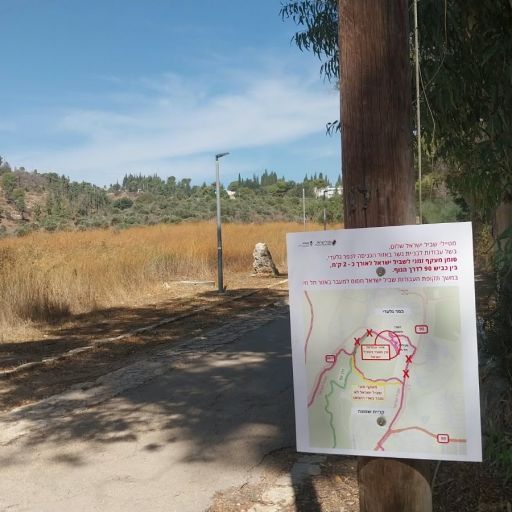
לבאים מצומת רמה [1]: נוסעים דרומה כ-3.5 ק"מ, עוברים בכביש כמה בתים הסמוכים לעין צלמון ולאחר כ-400 מטר נוספים חונים במגרש הכורכר שמימין לכביש, אליו מפנה שלט "לשמורת נחל צלמון" [2].
לבאים מצומת חילזון: נוסעים צפונה כ-8 ק"מ, עוברים את הפנייה הראשונה לנחל צלמון, שנמצאת בסמוך לישוב סלמה [5], ולאחר כ-1.5 ק"מ נוספים מגיעים למגרש הכורכר שבראש הנחל, שם מתחיל המסלול.
ניתן להשאיר רכב בסוף המסלול, כ-1.5 ק"מ דרומה מנקודת ההתחלה [5], אך נמליץ לשוב לרכב באותו המסלול, לאורך הנחל.
המסלול
נחל צלמון מתחיל את זרימתו אי שם בהר הלל שבהרי מירון. אורכו כשלושים ק"מ, והוא מעיד על השינויים הגיאולוגים המרשימים שעברה ארצנו במיליוני השנים האחרונות. ישנה סברה, שלא כולם מסכימים עימה כמובן, לפיה בעבר הרחוק זרם נחל צלמון אל הים התיכון וניקז את מימי הגליל העליון. לאחר התהוות השבר הסורי אפריקאי, שיצר את ים המלח, עמק הירדן, הכנרת ואף את החרמון, שינה הנחל את כיוון זרימתו, ומאז ועד היום הוא נשפך אל הכנרת. שינוי הנתיב אל בסיס הניקוז החדש, העמוק יותר, ניכר במסלול זרימתו של הנחל, המתחיל בזרימה מערבה, באזור המסלול שלנו, משנה את נתיבו דרומה ולאחר מכן אף מזרחה, כשהוא נשפך לכנרת ליד קיבוץ גינוסר, בין הארבל לנחל עמוד תחתון.
את הנחל, מזינים מספר מעיינות: בחלקו העליון - עין פרוד ועין רמיאל, בחלקו התיכון - עין צלמון, ובחלקו התחתון - עין רביד ועין דשנה. כיום נשאבים רוב המים על ידי ישובי הסביבה כמי שתיה, ורק מיעוטם זורמים בנחל בצורה חופשית. החלק שבו עובר המסלול הוכרז במאי 2005 כגן לאומי על ידי שר הפנים דאז אופיר פינס, בתקווה שחוקי שמורות הטבע יסייעו לשמור על שכיית הטבע הזו.
את המסלול מלווה סימון שבילים כחול, שמוביל אותנו לעבר אפיק הזרימה. עם תחילת ההליכה נבחין בשפע צמחיית נחלים ומים, שמשתלבת עם נטיעות בוסתנים. בין הצמחים תוכלו למצוא עצי תאנה, ערבה מחודדת, פטל קדוש, גומא ארוך, גרגר הנחלים, כרפס הביצות, נענה משובלת, קנה מצוי ואחרים. בנחל ריכוז של מספר מינים נדירים כמו משויה פעמונית ועצי אולמוס שעיר. על המדרונות שסביב הנחל נוכל למצוא במפנה המזרחי חורש אלון מצוי וסירה קוצנית, ובמפנה המערבי פסיפס של חורש אלון מצוי וקטלב.
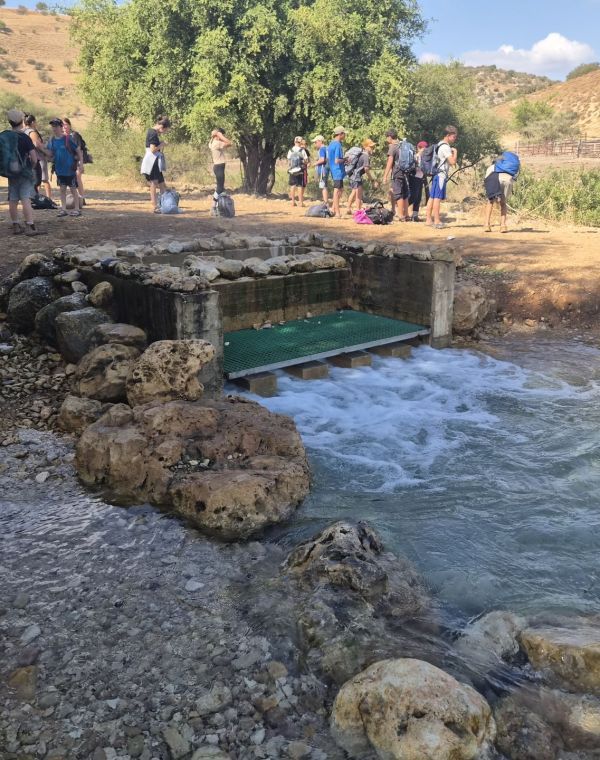
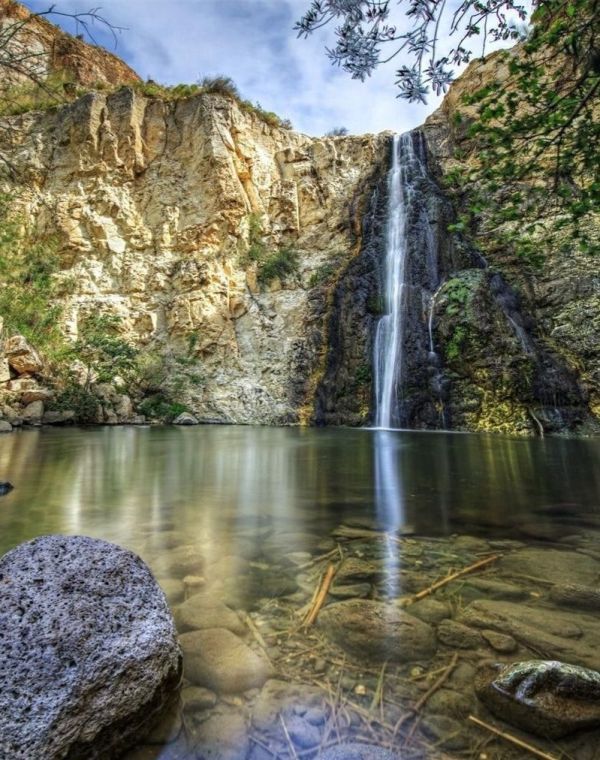
מיד עם תחילת ההליכה נגיע לבריכת מים קטנה, שבה ניתן לשכשך את הרגליים. כמות המים בבריכה תלויה בספיקת המים באותה השנה, שנעה בין חמישים מ"ק לשעה בקיץ שחון ל-300 מ"ק בעת זרימה איתנה. מקור המים בחלק זה של הנחל הוא עין צלמון, שנובע, כפי שיכולנו לראות מהרכב בדרך, סמוך לבתי הכפר הבדואי הקטן ראס אלנבע (ראש הנביעה), שמשתמש במימיו להשקיית המטעים והבוסתנים.
לאורך הנחל פזורות 14 טחנות קמח, מרובן נותרו רק שרידים. חלק מטחנות עדיין נראות בשטח, ויש שאפילו פעלו עד שנת 1948. שיטת הפעלת טחנת הקמח מוכרת מנחלים רבים בארץ (ראו איור): חלק ממי הנחל נתפסו על ידי תעלה שהובילה אותם לעבר טחנת הקמח, תוך כדי צבירת גובה בין אפיק זרימת הנחל לבין התעלה. במבנה תחנת הקמח, הפילו את המים דרך ארובה ומגלש לעבר גלגל הכפות. כאן כבר כוח הכובד עושה את עבודתו, ולחץ המים הנופלים מניע את גלגל כפות שהיה קשור בחלקו העליון לאבני ריחיים (האבן והשכב). מכן המשיכו המים בחזרה לאפיק הנחל. שימו לב כי השימוש במים להנעת הכפות אינו מזהם אותם והם חוזרים לנחל נקיים. תחנות הקמח נקראו לרוב על שם הישוב שהשתמש בהם, כך אנו יכולים למצוא את טחנת א-סאג'וריה על שם הישוב סאג'ור וכן את טחנת א-ארמיה על שם הכפר א-ראמה, לידו עברנו בדרכנו.
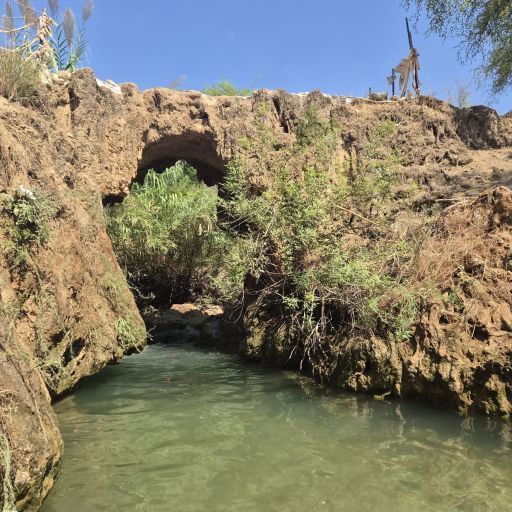
נחל צלמון נזכר יותר מפעם אחת בכתביו של יוסף בן מתתיהו, כאחד ממוקדי המרד הגדול בשנים 60-70 לספירה, ונראה כי מימיו שימשו את בני העמים השונים לאורך כל תקופות ההיסטוריה. עדות לכך ניתן לראות במערת הקבורה החצובה בקיר הנחל, שנמצאת כמאתיים מטר לאחר הבריכה בה טבלנו [3].
נקודות עצירה ומנוחה נמצאות לרוב ומומלץ להגיע עם ספר טוב ולהשתקע שפכפוך הנחלים משכיח כל צרה. שימו לב והקפידו על הניקיון, גם אם אלו שלפניכם לא עשו זאת. אספו את הזבל וזרקו אותו בפח הגדול הממתין בסוף המסלול.
לאחר הליכה של כ-1.5 ק"מ נגיע לזוג טחנות קמח גדולות: טחנות אלכרדי, כאשר במנהרה של הטחנה התחתונה אפשר עדיין לראות את גלגל הכפות שהניע אותה.
טחנת הקמח החמישית והאחרונה שרואים בקטע הנחל בו אנו הולכים, היא טחנת אלמשרבה (מקום השתיה), בסמוך לישוב הבדוואי סלאמה. מכאן ממשיכים המים עוד מעט דרומה באפיק. עד שהם מחלחלים באדמה ליד חורבת צלמון, כ-1 ק"מ מדרום לכפר הבדואי א-סלאמה.
הכפר הוקם על ידי ממשלת ישראל כמקום ריכוז לאוכלוסיה הבדואית שחיה באזור זה ובאזור עמק החולה. רוב תושבי הכפר הם בני שבט א-סואעד.
מנקודה זו בסמוך לטחנת הקמח [5] נסתובב ונשימה פעמינו חזרה אל הרכב הממתין בתחילת המסלול.
למיטיבי לכת שרוצים להאריך את הטיול
השביל הכחול שבו הלכנו ממשיך ויורד עם נחל צלמון, ואנו יכולים להמשיך איתו. תוך שאנו הולכים בסמוך לאפיק, נוכל להבחין בשרידי טחנות קמח רבות נוספות, ולאחר 2 ק"מ נראה מצד שמאל (מזרח) גבעה ועליה חרבת צלמון. ניתן לסטות מעט מן השביל ולטפס על החורבה. חרבת צלמון היתה עיר בימי בית-שני, שבוצרה בידי יוסף בן-מתיתיהו לקראת המרד הגדול. בתקופת המשנה והתלמוד ישבה בה משמרת הכהנים דליה וגנתון. במאה ה-18 היה כאן ישוב דרוזי, שנחרב על ידי תושבי היישוב הערבי עראבה הסמוך בסיוע ט'אהר אל עמר, השליט הבדוואי של הגליל באותה תקופה.
לאחר כ-3 ק"מ נוספים נגיע לצומת מאגר צלמון, שבו ניתן להשאיר רכב איסוף. הצומת נקרא על שם מאגר צלמון, שקולט את מי המוביל הארצי בדרכם מגיחון נחל עמוד ומגיחון נחל צלמון. תפקידה של תחנת השאיבה צלמון, השנייה לאורך המוביל הארצי, היא להעלות את המים מגובה של 145 מטר מתחת לפני המים לגובה של 152 מטר מעל לפני הים לעבר תחנת עילבון ומשם בתעלה פתוחה דרך בקעת בית נטופה למאגר אשכול.
ניתן להמשיך בשביל הכחול עד לכנרת לכל אורך נחל צלמון, מהלך של כ-17 ק"מ נוספים.
מעוניינים במסלול טיול נוסף באיזור? תוכלו לבקר גם ביער ביריה (עין גוזי).
רוצים לקבל המלצות לאטרקציות וטיולים מהקהילה שלנו? הצטרפו לקבוצה שלנו בפייסבוק! »














.jpeg?&width=576&height=600)







היי,
מה תרצה לכתוב על "נחל צלמון תיכון"?
. נראה שהשלטים במקום המורים על אסיפת האשפה מיותרים לחלוטין.
מים זורמים, הרבה פינות ישיבה נוחות. הנחל מלוכלך בהרבה מקומות, אבל עדיין טיול מקסים. טיילנו עם ילד בן 3, הוא ואנחנו נהנינו מאוד.
סופ"ש הבא מתכנננים לטייל בנחל צלמון,האם מישהו יודע האם יש מים בנחל ?
אשמח להמלצות נוספות באזור בית ג'אן כל מה שאפשר להנות ממנו!!
תודה רבה
שאר המסלול יבש.
עשינו הלוך חזור עד הבריכה ולא המשכנו לחלק השני של המסלול.
האם נכון להיום יש מים בנחל?
ההליכה במסלול קלה והנוף בו יפה. בריכת המים נהדרת, גם עכשיו בשיא הקיץ היא היתה מספיק עמוקה כדי לרבוץ בתוכה וליהנות מהמים הקרירים ומהדגיגים שמנשנשים אותנו ללא בושה ;)
בוקר טוב לכולם!
אתמול עשינו מסלול בנחל צלמון.
לקחנו מסלול קל כיוון שזאת פעם הראשונה לילדים שלי בני 5 ו8 וכמובן לכלבה הגורה בת 8 חודשים.
מסלול מאוד יפה, באמת קל אץ מאתגר לקטנים ולא מעייף מאוד. מזג אוויר היה מושלם.… טבע מדהים ובריכה קרה ומרעננת באמצע המסלול - תענוג לכולם: גדולים, קטנים וכלבים)))).
מומלץ ביותר.
נכון ל4.2016?
ומה מדת העומס?
מישהו יודע האם יש מים נכון להיום בנחל צלמון?
היום היינו בנחל ויש זרימה יפה
היה מספיק חם כדי שהילדים ישחקו במים ויכנסו עם הרגלים
המקום מדהים ונחמד לילדים
חבל רק שלא שומרים על הנקיון
אין הרבה מים.
יש הרשבה פסולת שמטיילים משאירים (בקבוקים ריקים, חטיפים ריקים וכו')
נכון לסוכות 2012
ביצענו את הטיול עם בני בן ה-3 ח'- כשהוא במנשא בטן, ועם כלבתנו האהובה.
היה כיף גדול - יש מים (לא בשפע, אבל מספיק בשביל ספטמבר בגליל).
המסלול עצמו בהחלט קליל, ולא הסתבכנו בו יותר מידי (לא ברור מדוע כתוב שהו… א מעגלי?), בסוף הדרך, אני נשארתי עם הקטן והביאו את הרכב אלינו.
חשוב לציין - עד השעה 9-10 המצוק מצל על נתיב ההליכה, מה שהופך את הטיול לידידותי אפילו יותר לקטנטנים...
תעשו חיים
הגענו בשבת האחרונה והיה פשוט עצוב להסתובב שם. הנחל מטונף בצורה שלא ניתנת לתיאור. ערמות של זבל על הגדה ובתוך הנחל. בסופו של דבר הסתובבנו כשעה עם שקיות ואספנו זבל ובסוף נסענו לשמורת נחל עמוד.
הנחל מחולק ל 4 חלקים שרלוונטים טרמפ/איסוף. (צבע המסלול הנחל כחול)
א. השמורה עצמה שמפורטת בתגובות הקודמות. בקצה של השמורה יש חניון כדי להחנות את הרכב הנוסף. השמורה עצמה היא לפני המשאבות שמיב… שות את הנחל כך שיש מים לפחות עד חודש יולי. נכון לאמצע אפריל השמורה עם הרבה מאוד מים וצל, ההליכה לא מסובכת במיוחד, ולמרות זאת לא לבעלי בעיות רצניות בקרסול/ ברך.
ב. החלק השני - מחניון השמורה (סוף השמורה) ועד צומת מאגר צלמון (ויש היכן להחנות באזור). חלק זה יפה במיוחד עד אמצע מרץ אז יש את שיא הפריחה. לאחר התקופה הוא מתייבש בהדרגה. אם יורד גשם יש מים בנחל ואז יש בוץ דיי רציני. בתקופה היבשה רכב פרטי יכול לעבור את רוב השטח, ג'פ את כול השטח.
ג. מצומת מאגר צלמון עד צומת נחל צלמון צפון - אזור שבחלקו הקטן ניתן לנסוע עם רכב פרטי, את רובו עם ג'יפ ובחלקו רק ברגל. ההליכה ברמת קושי בינונית. בחלק זה הסימון לא הכי טוב, אתם עלולים להתקל בחזירי בר. חלק זה יפיפה ברובו בכל עונות השנה ובחלקו מוצל.
ד. מצומת צלמון צפון לכינרת
מסלול ממש יפה וכייפי אבל החלק הראשון בלבד הוא ממש קצר ולא מספק, למרות שיש מים וכל מיני "אטרקציות" טבע
אפשר להמשיך עוד 5 ק"מ עד צומת מאגר צלמון וזה ממש אחלה טיול עשיתי אותו עם קבוצת ילדים בכיתה ה והי… ה כיף
התחלתי את המסלול עם נוף ירוק ומקסים ,המשכתי אותו עם זרימת מי מעיין עד לטחנות הקמח הישנות הבנויות מאבן ובשיטה מאוד עתיקה ויפה, שם ניפגשתי עם שולושה בחורים מאוד נחמדים שמספרים על שיטת הבנייה,על שיטת הפעלת הטחנה.ה… כי מדהים מהכול שהם הציגו תמונות משנות הששים שהיו קטנים שגרו במקום יחד עם זיכרונות מאוד מדהמים. כמו שהכל מקסים גם המקום משמש כמסעדה שהאוכל הכפרי שלהם (הפריקה בתוספת העוף,המגדרה,בשרים,תבולה)טעם שלא נשכח בשילוב נוף מדהים .פשוט מאוד אווירה מקסימה בטבע עם מוסיקה ברקע.
יתרונות: למשפחות עם ילדים קטנים זה סבבה. הבריכה מקום נחמד לעצירה.
חסרונות: קצר מדי, מלוכלך מדי.
15/2/2010
יש מעט מים למטה. ירידה ועלייה לא קשים לילדים.
מומלץ
טילנו באוגוסט 2009 והייתה אכזבה גדולה. הנחל מזוהם (עם ישראל חי !!!) ובתרמיל שלנו היו יותר מים מאשר בנחל.... למעט ברוכת קטנה עם מים עכורים הכל יבש ומאכזב.
למקום יש פוטנציאל אדיר כשיש מים. נבוא לבדוק שוב בחורף. ב… ינתיים, חבל על הזמן.
אם תרצה להצחיק את אלוהים - ספר לו על התוכניות שלך. טוב, היו לנו תוכניות להנות בנחל צלמון וכנראה אלוהים לא שמע עליהם כי היה כל כך טוב ומוצלח עד שהבנו שפשוט אלוהים גר שם. (הוא לא היה בבית). מסלול קצר עמוס בפינות חמד שחיי… בים לראות כדי להבין. לא רצינו לעזוב ומזל שהיה ירח מלא כי אחרת לא היינו יכולים לצאת משם. מומלץ בחום.
היי אני משצ בתיכון רוגוזין בקרית אתא והמסלול נשמע לי ממש מעניין והייתי מעוניין לעשות עם שאר המשצים בתיכון שלי גיחה במסלול הזה.. האם מישהו עשה את המסלול הארוך עד הכנרת? הוא משהו כמו 20 קמ.. אתם חושבים שזה הר… בה ליום אחד? כאילו ללכת 20 קמ ביום אחד להגיע לכנרת לישון שם ויום אחרי זה לצאת למסלול אחר או לחלק את המסלול ליומיים תוך כדי מציאת מקום המותר ללון בו לינת שטח?
אני וזוגתי ביקרנו בנחל היום ( סוף יולי 2008).
אין מים. אפילו לא סימן... מעבר לכך האיזור מעט מוזנח.
המקום נחמד מאד ,מתאים גם לילדים קטנים.אך הוא אינו מעגלי.יש ללכת ולחזור ,או להשאיר רכב איסוף.
המסלול נוח מאוד לטיול עם ילדים בגילאי 3-6 שכן אין בו הרבה סלעים, אבנים ומכשולים, יש הרבה צמחיה וצל.
החסרונות לעומת זאת: אין פינות ישיבה מסודרות עם שולחנות, אין כמעט מים בנחל (המים מוסתים לחקלאות וכו').
ל… סיכום - טבע אמיתי ונוח למשפחות עם קטנטנים, מסלול קצר ונוח.
עכו קרובה (מרחק כ- 20 דקות נסיעה) ואפשר לסיים בטיול בעיר העתיקה.
כשיורדים במדרגות בתחילת המסלול יש מין מתח קסום לקראת הציפייה מה מחכה בהמשך.. בהדרגה נכנסים לאווירה רומנטית כשנסחפים עם הנוף המדהים ושרידי תחנות הקמח. לא לפספס...
מסלול הליכה נעים ונוח עם ילדים.
לא המוני, שקט ומוצל. אהבנו.