


איך מגיעים
נוסעים דרומה בכביש 40 לעבר באר שבע, פונים שמאלה (מזרחה) בצומת גורל ועוקפים את באר שבע בכביש העוקף החדש, שחותך את גבעות גורל. פונים ימינה בצומת תל שבע, שמאלה בצומת חטיבת הנגב (אנדרטת חטיבת הנגב הסמוכה הוקמה לזכר שחרור האזור במלחמת השחרור). בהמשך, בצומת שרה פונים שוב שמאלה (מזרחה) לכיוון דימונה. נוסעים על כביש 25, עוברים את דימונה, ולאחר עוד מספר דקות נסיעה מגיעים לשלט המפנה ימינה (דרומה) לעבר הגן הלאומי ממשית.
- אפשר לשלב בביקור גם טיול קצר בנחל ממשית.
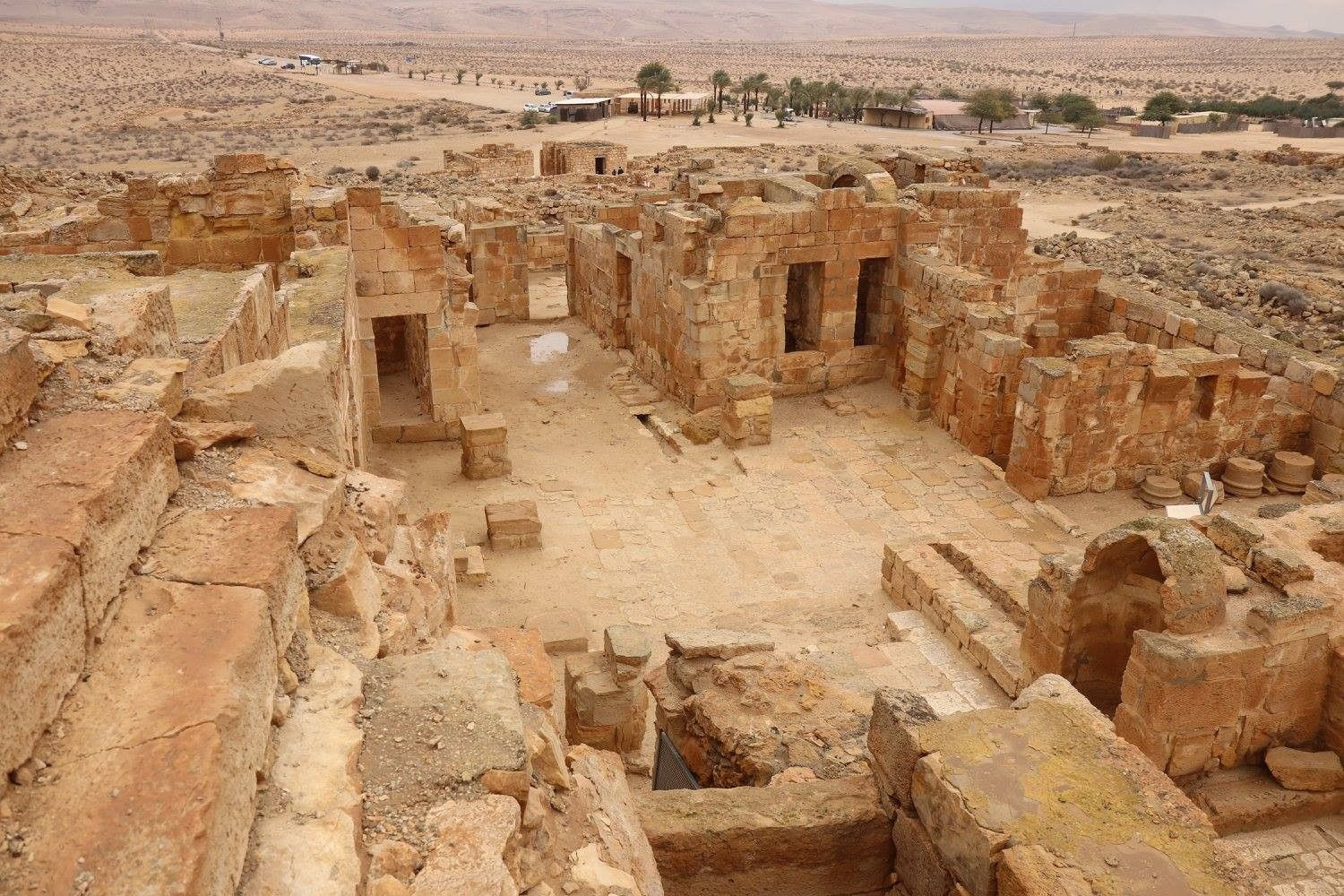
ממשית העתיקה
ממשית ממוקמת בבקעה בין רכס חתירה (שבתוכו נמצא המכתש הגדול שנקרא לכן גם מכתש חתירה) ובין רכס אפעה (שבשיפוליו שוכנת דימונה). כמו רוב נקודות הישוב הנבטיות האחרות בנגב, גם היא החלה את צמיחתה כתחנת מסחר לשיירות שחצו את המדבר מפטרה לעזה. מסביב לעיר מקורות מים רבים (יחסית למדבר) - נחל ממשית, בארות, גבים ותמילות (נקודות שבהן קרובים מי התהום לפני הקרקע ובחפירה קצרה אפשר להגיע אליהם) והעובדה הזו בנוסף למיקומה - מהלך יום בדיוק מהתחנה הקודמת בדרך השיירות - בעין חצבה - גרמו להפיכתה לעיר חשובה.
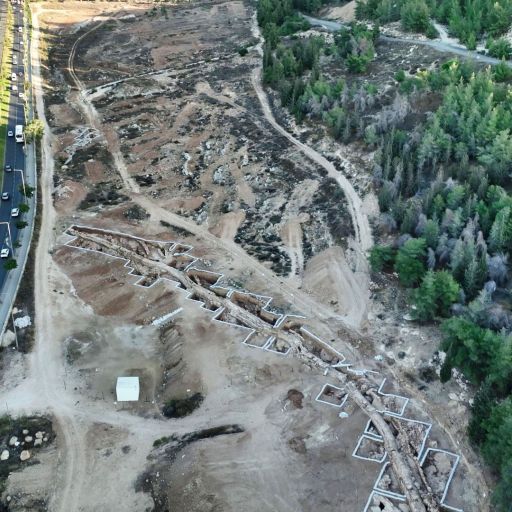
בתקופה הנבטית התבססה כלכלת העיר בעיקר על מסחר. ועל חקלאות שטופחה בבקעה שמסביב לעיר וכן בשטחים מרוחקים יותר (אפילו עד 25 ק"מ מהעיר). בשנת 106 - אחרי שסופחה העיר לאימפריה הרומאית הוצב בה חיל מצב רומאי (כדי לשמור על חלק מהגבול הדרומי של האימפריה) והוקמו מסביבה סכרים גדולים, שאפשר לראות שניים מהם עד היום, שסייעו באספקת המים. במאות השלישית עד החמישית, התקופה הביזנטית, התנצרה אוכלוסיית העיר (בדומה לאוכלוסיות שאר ערי הנבטים), שמנתה כמה אלפי תושבים, ונבנו בה שתי כנסיות. לקראת סוף המאה השישית לספירה דעכה ממשית בעקבות הכיבוש המוסלמי והיום נותרו ממנה בעיקר חורבות. בתקופת המנדט הבריטי, ישבה במקום משטרת סיור, שאת שרידיה ניתן לראות גם כיום. ממשית היא גן לאומי והכניסה אליו היא בתשלום עלויות וזמני כניסה מפורטים בסוף המסלול.
אתרי העיר
שער העיר
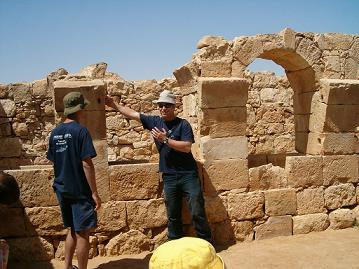
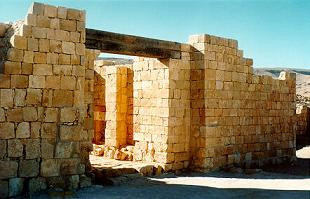
שער מקורה, שהיה מוגן עי שני מגדלים והשתמר יפה.
הארמון
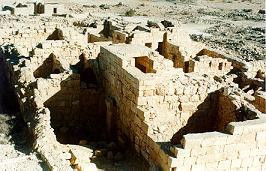
בית עשירים גדול ומיוחד ובו חדר משמר, אולם קבלת פנים, גנזך, חדרי משרתים אגף מגורים ועוד.
הסכרים
שניים מהסכרים נבנו על ידי הנבטים, ואחד על ידי הבריטים. הם יכלו לאגור עשרות אלפי מ"ק מים, ששימשו למילוי הברכות והבורות בעיר.
הכנסייה על שם נילוס הקדוש
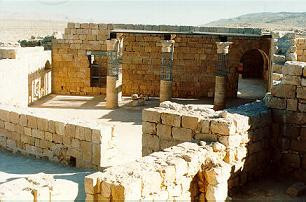
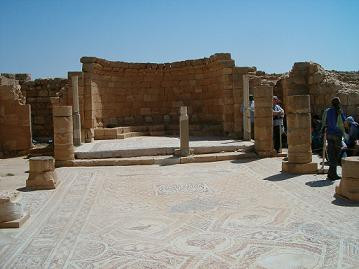
ברצפת הכנסייה מספר פסיפסים באחד מהם כתוב: "אלוהים הושע את עבדך נילוס, אוהב ישוע, שייסד (את הבנין) הזה ושמור על בני ביתו או אלוהים עזור לאבר(הם) בן זנוביוס השומר על הכנסייה".
כנסיית הקדושים והמעונים
נקראת כך משום שנמצאו בה עצמות אדם, כנראה שריד של פולחן קדושים נוצרי קדום.
בית הפרסקו
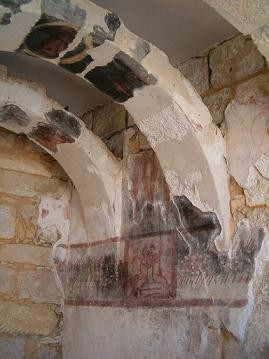
בית גדול ויפה ובו אורוות וציורי קיר שהשתמרו יפה מאות שנים.
בריכת העיר
בריכה גדולה בנפח 1500 מ"ק. בעת חפירתה נמצאה הכתובת: "בשביל פלאביוס גורמוס, בנו של זכריהו, סיימת עבודה אחת מעבודות החובה בשביל הברכה, 25 לחודש דיוס" (מה שמראה לנו שעבודות רס"ר זה פטנט עתיק...)
האורוות
חלק חשוב בחיי העיר היו המסחר והחקלאות ובשניהם השתמשו בסוסים. שממית נמצאה אורווה שיכולה להכיל 16 סוסים.
בית מרחץ
כמו כל דבר בצבא, התחלק לשלושה: פריג'ידריום (חדר המים הקרים), טיפדריום (חדר המים הפושרים) וקלדריום (חדר המים החמים, שהוסק על ידי שרפת עצים מתחת לרצפה מיוחדת).
מצודת העיר
ניצבת בנקודה הגבוהה ביותר בעיר ונועדה לשמור עליה. בשנות השלושים של המאה העשרים היא פורקה בחלקה ומאבניה נבנתה תחנת משטרת רוכבי הגמלים של הבריטים.
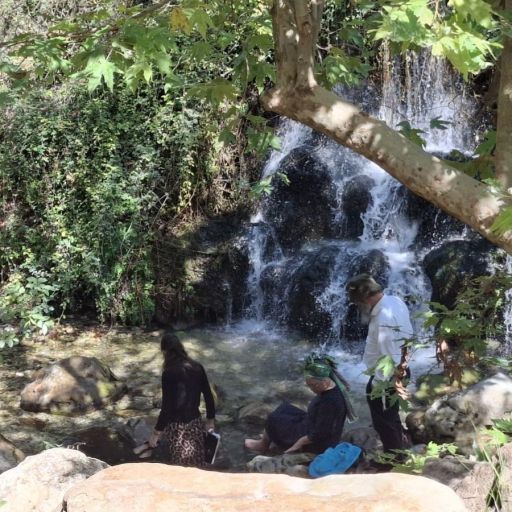
אפשר וכדאי להמשיך מהפינה הצפון-מערבית של האתר לאורך שביל ישראל (בסימון כחול-לבן-כתום), שמגיע לסכר ולאחר מכן בערוץ נחל ממשית לבאר ממשית, שנחפרה על ידי הבריטים למען הבדואים באזור (ייתכן שמדובר בשיפוץ של באר נבטית). בהמשך הנחל יש מערכת של טרסות חקלאיות מימי הנבטים שהצטיינו בניצול מעט המים שקיימים באזור. בפיצול השבילים ממשיכים עם הסימון האדום (שביל ישראל ממשיך לכיוון המכתש הגדול שנמצא מדרום) עד לכביש 206 (שם גם צריך להשאיר רכב).
להרחבה נוספת:
פרטים נוספים
שעות הפתיחה: אפריל-ספטמבר: 8:00-17:00 | אוקטובר-מרץ: 8:00-16:00.
עלות הכניסה: מבוגר: 21 ₪, ילד: 9 ₪ | מבוגר בקבוצה: 18 ₪, ילד בקבוצה: 8 ₪.
טלפון: 08-6556478.
עוד באתר: בסוכות ובפסח מפעילה רשות הטבע והגנים שוק נבטי ססגוני במקום.
אתרים נבטיים נוספים באתר טיולי:










.jpeg?&width=576&height=600)





.jpg?&width=600&height=760)
.jpg?&width=600&height=760)


היי,
מה תרצה לכתוב על "ממשית: עיר חקלאית בלב מדבר"?
היינו בנחל ממשית בין הסכרים עד לבאר ממשית.
הנחל מטונף בצורה נוראית בזבל שהגיע מ"הפזורה הבדואית" שהתיישבה על הנחל לא רחוק מעתיקות ממשית.
ורשות שמורות הטבע יושבת על הגבעה ואוספת כסף על הכניסה לאתר וחניון הלילה, אבל הפקחים לא … יורדים לנחל מתחת לאפם וכמובן שלא עוסקים בניקיון...
ממשית עיר נבטי יפהפיה, אתר מטופח ומעביר יפה את אוירת היר במדבר.
שווה