


איך מטיילים פה?
המסלול מתחיל בחניון הזיתים שבפארק גורן, ממנו מתחילה ירידה בעלת חלקים תלולים במקצת, אל עין טמיר. מהמעיין הדרך ממשיכה לאורך הנחל בדרך מוצלת ברובה שחוצה את הזרימה מספר פעמים. ומסיימים עם עלייה ובתצפית לכיוון מבצר המונפורט הצלבני. אורכו של המסלול הוא כ-5 ק"מ, וזמן הטיול כ-4-5 שעות, בהתאם לקצב ההליכה ולזמן שתבלו בבריכות. רמת הקושי בינונית והוא מתאים גם למטיילים לא מנוסים, ולמשפחות עם ילדים שאוהבים ללכת.
המקטע לאורך הנחל עובר בתוך החורש והוא מוצל ברובו. השביל חוצה את זרימת המים מספר פעמים, ובחלק מהמעברים הנעליים עשויות להירטב. אין לטייל במסלול בימים חמים במיוחד או מיד לאחר גשם. הכניסה עם כלבים אסורה לשמורת כזיב.
יש אפשרות לטייל במסלול גם בכיוון ההפוך, אך אז הטיול מסתיים עם עלייה קשה יותר.
לפני הביקור, מומלץ לבדוק את הרשימה המעודכנת של נחלים בהם נמצאו זיהומים חריגים »
הגעה למסלול
נקודת התחלה: חניון הזיתים בפארק גורן (WAZE: חניון הזיתים) – נוסעים על כביש 899 לכיוון מזרח. פונים ימינה לכיוון גרנות הגליל, ומיד פונים שמאלה וממשיכים דרומה בדרך עפר שמתעקלת בשבילי פארק גורן, עד שמגיעים לרחבת חנייה מסודרת בחניון הזיתים.
נקודת סיום: חניון המצפור פארק גורן (WAZE: חניון המצפור) – ממשיכים מחניון הזיתים עם דרך העפר לכיוון מערב, כשנחל כזיב נמצא משמאל. בדרך עוברים ליד מושב גורן, וממשיכים אל שטח מיוער של פארק גורן, עד שמגיעים לאזור חניוני האלון והחרוב. מומלץ לחנות קרוב ככל הניתן למצפור המונפורט.
מחניון הזיתים לעין טמיר
מהקצה הדרומי של חניון הזיתים יוצא שביל צר המסומן בכחול. נרד איתו בתלילות על הגדה הצפונית של נחל כזיב. בדרך נוכל לראות מהצד השני של ערוץ הנחל את מעיליא ואת מצפה הילה שמדרום אליו.
במהלך הירידה נעבור ליד מכלאת האקלום ששימשה את פרויקט השבת היחמור הפרסי לטבע. היחמור הוא מין ממשפחת האיילים שנכחד מהטבע בישראל בסוף המאה ה-19. גרעין הרבייה הישראלי הוקם מיחמורים שהובאו מגרמניה ומארבע נקבות שהוטסו מאיראן ב-1978, ערב המהפכה האסלאמית. השבת היחמורים לנחל כזיב החלה בשנת 1996, וכיום מתקיימת באזור אוכלוסיית בר מבוססת.
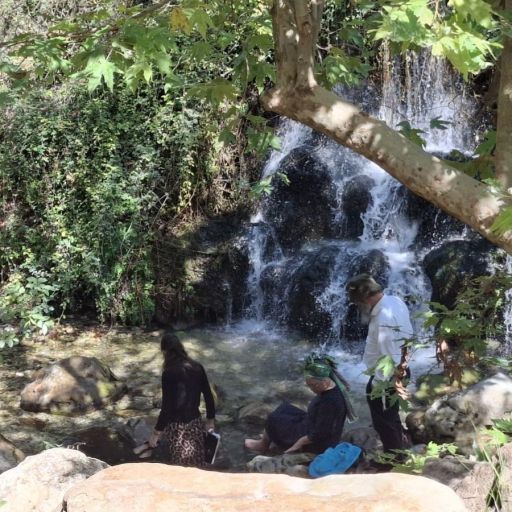
בסוף הירידה נגיע אל שביל עפר, וכשנרד עוד קצת מצדו השני נגיע אל הבריכות של עין טמיר. המעיין נובע מתוך נקבה החצובה בסלע ומימיו זורמים אל הבריכות שבערוץ. אפשר להיכנס לבריכות שמחוץ לנקבה. הכניסה לנקבה עצמה אסורה. כדאי להיזהר שלא להחליק על האבנים.
 נחל
כזיב | צילום באדיבות: יוחאי כורם
נחל
כזיב | צילום באדיבות: יוחאי כורם
מעין טמיר לחווה הצלבנית
מעין טמיר נמשיך עם שביל מסומן ירוק מערבה, במורד הנחל. מעט אחרי המעיין נעבור ליד בריכת הדולבים ונמשיך לאורך הערוץ. השביל עובר לצד בריכות, עצי דולב וצמחיית נחלים וחוצה את המים בכמה נקודות.
אחרי כ-300 מטר נפגוש שביל שחור שעולה אל הגדה הדרומית, לכיוון היישוב מצפה הילה. לאחר כ-1.5 ק"מ נוספים נפגוש שביל שחור נוסף שעולה צפונה לכיוון מושב גורן. מהנקודה הזו השביל הופך לנוח יותר, ואנחנו מתחברים לדרך ג'יפים שמשמשת את פקחי השמורה. קצת אחרי הנקודה הזו ניפרד מההליכה צמוד למים.
נמשיך עם השביל הירוק עוד כ-1.5 ק"מ. בדרך נראה משמאלנו מבנה אבן הרוס, במקום הזה הייתה טחנת קמח שפעלה בכוח זרימת המים. נמשיך מערבה עד שנפגוש את השביל האדום. סמוך למפגש השבילים נראה שרידים של חווה צלבנית.
אפשרויות חלופיות לסיום המסלול: מהנקודה הזו ניתן להמשיך עם השביל הירוק עוד כ-4.5 ק"מ על מנת להגיע לעין חרדלית. אם נרצה לבקר במבצר מונפורט עצמו נוכל ללכת דרומה עם השביל האדום בטיפוס תלול של כ-1 ק"מ
מהחווה הצלבנית למצפור מונפור
אנחנו נעלה עם השביל האדום ימינה, לכיוון צפון, שיעלה אותנו אל פארק גורן. הדרך כאן חשופה לשמש, ונצטרך ללכת בה בטור, ולאחר כ-1.5 ק"מ נגיע אל מצפור מונפורט, ממנו נוכל לראות את המבצר הצלבני המרשים שנמצא מעברו הדרומי של הנחל.
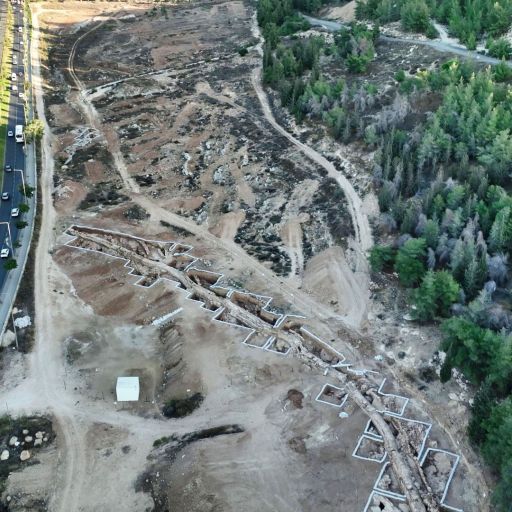
מבצר מונפורט (ההר החזק בצרפתית) מתנשא מעל נחל כזיב ושולט על השטחים החקלאיים שנמצאים תחתיו. במקום נבנתה חווה חקלאית מבוצרת באמצע המאה ה-12, על ידי אצילים צלבנים. לאחר נפילת ירושלים בידיו של צלאח א-דין, ולאחר שמרכז הכובד של ממכלת ירושלים עבר אל הגליל, רכשו אבירים טווטונים את המקום – בשנת 1220. הם קבעו במקום את המפקדה שלהם וביצרו אותה.
הטווטונים חיזקו את הביצורים ובנו את "מגדל העוז" הבולט בו. בשנת 1271 הטילו הממלוכים מצור על המבצר, והצליחו למוטט חלק מהחומה. האבירים נכנעו, והממלוכים התירו להם לצאת חיים. המגינים הורשו לצאת לעכו עם רכושם, ובהם גם מסמכים ונכסים של המסדר. הארכיון המרכזי של המסדר הטווטוני נמצא כיום בווינה.
ממצפור מונפורט נמשיך עם השביל הסלול לכיוון צפון, שיוביל אותנו אל החניה בה השארנו את הרכב.
 מבצר
המונפורט | צילום באדיבות: יוחאי כורם
מבצר
המונפורט | צילום באדיבות: יוחאי כורם
מסלולים נוספים באזור נחל כזיב
יש עוד מסלולים של נחל כזיב שאפשר לטייל בהם:
מעין זיו למצפה הילה
נגיע למעלות-תרשיחא ונחנה סמוך למחסום היורד לעין זיו. נמשיך עם הכביש כ-2 ק"מ עד שנגיע אל המעיין. משם אפשר להמשיך עם השביל הירוק בצמוד למים, או השביל האדום שעולה במעט על הגדה הדרומית, ופוגש את השביל הירוק בהמשך. נגיע לעין טמיר ולבריכת הדולבים, וקצת לאחר מכן נפנה שמאלה עם השביל השחור שעולה אל מצפה הילה, שם נשאיר רכב נוסף שימתין לנו בסיום הטיול. אורך המסלול: כ-7 ק"מ בדרגת קושי בינוני-קשה.
מהמונפורט לנחל כזיב, מסלול מעגלי
נחנה בגן הלאומי מבצר מונפורט ונבקר במבצר. מכאן נרד עם השביל האדום היורד בתלילות אל נחל כזיב. כשנגיע אל ערוץ הנחל נפנה ימינה עם השביל הירוק, ונמשיך איתו לאורך זרימת הנחל קצת יותר מ-2.5 ק"מ, עד שנפגוש את השביל השחור שעולה ימינה לכיוון מצפה הילה. נעלה איתו כ-2.5 ק"מ עד שנפגוש שביל האדום, נפנה ימינה ונלך איתו ק"מ נוסף עד לחניה. אורך המסלול כ-7.5 ק"מ בדרגת קושי קשה.
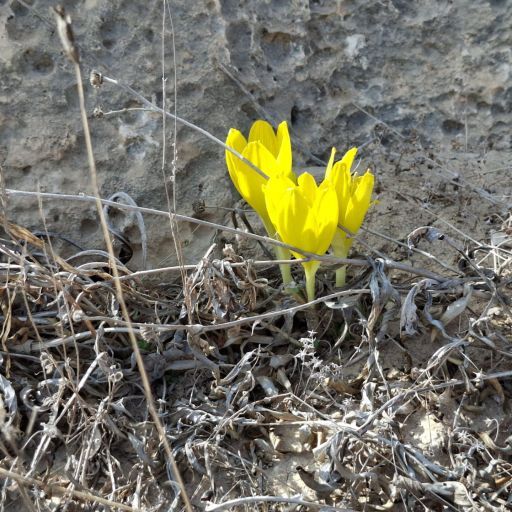
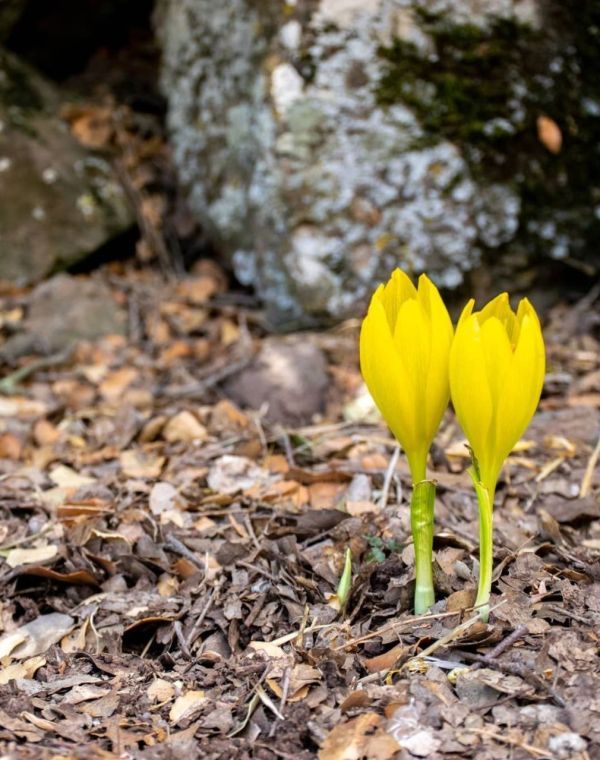
לשני המסלולים אפשר להוסיף עיקוף של כ-2 ק"מ כדי לבקר בקרן ברתות ולצפות בפריחת השושן הצחור. כ-700 מטר לאחר התחלת העלייה בשביל השחור, נפגוש שביל כחול ונפנה ימינה. השביל יקיף את פסגת השלוחה ויחזיר אותנו אל השביל השחור. המסלול הזה מומלץ באביב, ובעיקר בחודש מאי, בו מתרחש שיא פריחת השושן הצחור.
וואדי חביז (נחל כזיב עליון)
המסלול מתחיל מהכפר חורפיש, בחניה ברחוב אלמסיל (כביש 89). מהחניה יוצאים לכיוון דרום עם שביל כחול שמגיע עד לעין חותם, בו פונים ימינה עם השביל הירוק עד לגשר אלקוש, שם צריך להשיאר רכב נוסף. אורך המסלול כ-5.5 ק"מ בדרגת קושי בינונית.










.jpeg?&width=576&height=600)


.jpg?&width=600&height=760)
.jpg?&width=600&height=760)


היי,
מה תרצה לכתוב על "נחל כזיב: מעין טמיר למצפור מונפורט"?
מתכוון לעשות את מסלול 5 בשני ושלישי הקרובים
אשמח להמלצות וטיפים שאני צריך לדעת
מגיע בתחבצ מהמרכז
מסלול מס' 4 יורדים בצומת מעלות ומשם נכנסים לרחוב הנשיא הרצוג ואז פונים שמאלה לנחל כזיב וירדים עד לנחל שם ממשיכים על התוואי של הנחל עד עין תמיר שם יש התפצלות לכיוון למעלה לחניון הזיתים ומשם ממשיכים על הכביש ישר עד לפניה שמאלה… לפארק גורן שם יש מקום יפה כולל ספסלים ושולחנות. כשנכנסים לפארק גורן אז מומלץ לפנות ימינה כי זה מגיע לשער הפארק שמשם אפשר להגיע בקלות לכביש 899 ששם יש קווים 27,28 לנהריה
מסלול מאוד יפה עם מים אבל העליה מהמעיין לחניון הזיתים קצת קשה וארוכה.
אשמח להסבר והכוונה קצת יותר מפורט
עשיתי (הייתי לבד) מסלול מעגלי (שחור>ירוק>אדום) יצא בערך 10 קמ. המסלול קל מאוד ויפה. במסלול הירוק לעורך הנחל לא חייב להיכנס למים, אפשר לקפוץ על אבנים (זהירות, מחליק מאוד, אפשר ליפול למים) . עומק המים היו בין 5 סמ עד חצ… י מטר בערך. התחלתי את המסלול ב7 בבוקר וסיימתי ב9 וחצי, בלי אפסקות. קליל ומאוד יפה! ממליץ לכולם!
ואני מגיע עם תחבץ, כמה מסובך זה להגיע מסוף הנקודה של המסלול הארוך לקמפינג באזור-מקום לינה?
תודה
מישהו היה במסלול 2?
מסלול נהדר ויפייפה. ירוק ושופע!
הרבה מאוד מקומות לעצור בהם ולהתרענן במים. מומלץ לעשות כמה שיותר מהמסלול בתוך הנחל ולא בשביל, המון בעח צפרדעים וסרטנים. הגענו שני מטיבי לכת ולקח לנו 6 שעות
תודה רבה
המקום עצמו מקום מדהים
נכון ליוני 2021 יש מים לכל אורך הנחל.
ואם יש מקום שאפשר לישון בו באותו אזור? חניון לקמפינג או משהו בסגנון
תודה רבההה
1) אפשר בקלות ל… עבור בצד את הקטע איפו שאבנים נפלו
2) חלק החסום הוא חלק הכי יפה ואתגרי במסלול ומי שבוחר לא ללכת בו - מפסיד בגדול
אננו רוצים לטייל שם מחרתיים
אחרי שעוברים את הפניה למצפה הילה לא פונים שמאלה לדרך עפר בסימון שבילים שחור (למרות שיש שם כזאת) אלא ממשיכים עם סימון השבילים ה… אדום ישר על דרך אספלט שהופכת לדרך עפר וחונים בחניון או לידו (אם סגור)
בנוסף כדאי לציין שבמסלול המעגלי ברגע שמגיעים לנחל ממשיכים עם המסלול הירוק עד עין טמיר
עשינו את המסלול מעגלי: מצפה הילה > מונפורט > עין טמיר > מצפה הילה (9 ק”מ)
הגענו אחרי כמה תקופה גשומה יחסית.
יש לא מעט חציות נחל. רצוי מאוד לבוא עם נעליים מתאימות.
תודה
ממליץ על המסלול השני שמתחיל ממעלות, עין זיו ומסתיים בעין טמיר. המסלול קצר יותר ויפה הרבה יותר.
בחזור יש עליה קשה, כ 2.5 ק"מ.
המקום מטופח ונקי … ונגיש בצורה סבירה (לא מתאים לעגלות או למוגבלים בהליכה) .
חבל שהשילוט לא מושלם ולא מדוייק, אורך המסלול / מרחק לא מופיע בשלטים.
עשינו ב 21.8.17 את מסלול 3 . שבע משפחות עם ילדים בני 4 ומעלה ... אחלה מסלול .. העליה בסוף קצת קשה אבל שווה .
התחלנו את המסלול ממצפור הילה.
חשוב! כאשר עולים ועוברים את מצפה הילה לא יורדים לשביל העפר עם הסימון השחור- יש להמשיך ישר בכביש הסלול. אנחנו נכנסו לדרך עפר וחיפשנו את הסימון האדום (שהיה קיים) אך הגענו בסופו של דבר לשום מקו… ם וכשפגשנו במקרה מקומי שעשה הליכה שם הסביר לנו שהכניסה למסלול היא לא משם והיינו צריכים להמשיך ישר. חזרנו וגילינו באמת שככל הנראה אלו היו סימונים ישנים.
מסלול נעים מאוד ונוח להליכה!!
המבצר מרשים ומקסים, ואף עצרנו שם לארוחה קלה עם הנוף ממנו.
סה"כ מסלול כייפי ונעים!!! המון פינות חמד לעצירה ולשכשוך במים.
שווה להגיע אליו
ביצענו את המסלול הראשון, מסלול מצפה הילה, מסלול יפה ומרשים בנופו הכולל תצפיות נוף רבות, חורשות יער צפופות וכמובן נחל כזיב והמעיינות שבו.
מסלול זה אורך כ6 שעות הכולל עצירות לטבילה במי הנהר ותצפיות נוף מרשימות, המסלול מ… תחיל בראש ההר וממנו יורדים אל נחל כזיב בירידה תלולה (שעה וחצי עד ההגעה לנחל) וזהו המסלול האדום משם ממשיכים עם המסלול הירוק במקביל לנחל כזיב(שעתיים וחצי) שבו המים צלולים וקרירים, נמשיך בעלייה חזרה במסלול השחור(שעה וחצי) עלייה לא פשוטה חזרה אל חניון ההתחלה.
לפי דעתי בן(21) מסלול ברמת קושי בינוני, כדאי להצטייד באוכל ל6 שעות וליטר וחצי כול אחד. מומלץ ביותר
מומלץ לרדת מפארק גורן או מחניון זיתים ישירות לאיזורים עם הבריכות.
הירידה והעלייה טיפה מאתגרות, שווה לקרוא את עמוד המסלול בטיולי לפני כן.
היתה תגובה מהפייסבוק שאומרתת שאין מים, לכן רציתי לדעת אם אכן אין מים בנחל, והאם כדאי אם כך ללכת לטייל שם בסוכות.
תודה
טוב מאד ומהנה ביותר אבל לא מותאם לילדים בגלל הירידה והעליה הקשות שנמצאות בתחילת המסלול
טוב מאד ומהנה ביותר אבל לא מותאם לילדים בגלל הירידה והעליה הקשות שנמצאות בתחילת המסלול
זה ממש לא טיול לכלבים! יש ירידה מאוד תלולה וארוכה בהתחלה ובסוף יד עלייה מאוד מאוד קשה אבל חוץ מזה זה מסלול קשה אבל מאוד מהנה
עשינו את המעגלי... יום אוגוסט חם... לא היה קל במיוחד... וליד הכניסה להרבה בעין טמיר יש שלט מאיים שמסביר שלהיכנס לנקבה זה מסוכן ולא אחראי אז ויתרנו... סך הכל היה כיף ולנו גם מאתגר
עשינו אותו לאחרונה פעמיים; פעם אחת כפי שכתוב באתר, עם ירידה דרך המונפורט ובפעם השנייה עלינו וירדנו דרך השביל השחור ממצפה הילה (כלומר ירדנו ועלינו באותה דרך). מבצר המונפורט יפה ויש בו רוח נפלאה, אבל למי שמעדיף את הבילו… י במימי הנחל בתור האטרקציה המרכזית, אני ממליצה לרדת ולעלות במסלול השחור, שהוא מוצל כמעט לכל אורכו (בשונה מההליכה דרך המונפורט) ומגיע ישירות לחלקים הרטובים (וללא הליכה ארוכה יבשה).
הנחל והבריכות שבו קסומים ממש; מים צלולים ונקיים והמון דגים, צל עצים ושלווה נפלאה...
זה באמת אחד המסלולים היפים בארץ, אל תפספסו :)
מסלול ממש יפה, עשינו אותו 9 חברים בגילאי 30 ולקח לנו כ-6 שעות. בהתחלה כשעתיים הלכנו עד שהגענו למים, לאחר מכן יש אפשרות להליכה במים (לא עמוק מאוד) למי שרוצה, ההליכה בנחל מאוד יפה. לאחר כשעתיים וחצי הגענו לניקבה של עין טמיר … (מהבריכה צריך להמשיך ללכת במסלול הירוק כ-5 דקות). לאחר מכן חזרנו בחזרה לבריכה ועלינו במסלול השחור - עליה תלולה של כ-15-20 דקות ולאחר מכן עליה יותר מתונה עד למצפה הילה, של כ-40 דקות. סה"כ מסלול מאוד יפה, גם נוף וגם הליכה במים ואופציה להכנס למים למי שרוצה. מאוד מומלץ!
הגענו 5 חבר'ה באוטובוס למעיליא ממרכזית נהריה, שקרובה מרחק יריקה לרכבת נהריה. אחרי הליכה לא ארוכה לכיוון מצפה הילה מגיעים לתחילת המסלול האדום למונפורט, שילוט ברור מאוד ממצפה הילה. סה"כ… נסיעה והליכה אל המסלול פחות משעה.
ירידה לנחל קלילה ונעימה, שימו לב שבתקופה הזאת של השנה( דצמבר) נעשה קר בצל וכדאי להביא לבוש ארוך.
הלכנו מזרחה לעין טמיר אבל לא הגענו אליו. הסתפקנו בבריכה הקטנה יותר לפני כדי לא להיתקע במסלול בחושך (חורף.. בכל זאת).
אחרי מנוחה וטבילה קפואה חזרנו מערבה בירוק עד להצטלבות עם השחור ועלינו לגורן.
עליה לא קשה במיוחד אבל גם לא קלה. כדאי שיהיה כושר בסיסי.
בהגעה לקצה, פניה מערבה ואח"כ צפונה לכיוון כביש הצפון ועליה על קו 28 של נתיב אקספרס ממסעף גורן למרכזית נהריה.
כמובן שווארמה טובה במרכז העיר ;)
שורה תחתונה - מסלול מעולה וקל, מתאים מאוד לחיילים ולצעירים המסתמכים על תחבורה ציבורית! לנו לקח כמעט 7 שעות של הליכה איטית, הפסקות קפה וטבילה במי קרח מהאוטובוס הלוך עד העליה לאוטובוס לנהריה. מומלץ בחום! (וגם בקור).
עומר שלום,
עושה סדר לגבי החניונים נכון לאתמול ה- 10/10/2015:
יש את החניון של אלי עמיר שנמצא לקראת קצה הדרך בצד שמאל וגובה תשלום יומי של 20 ש"ח (זה החניון שמוזכר בתאור המסלול המעגלי). החניון של סלימן נמצא בצד … ימין ממש בקצה הדרך, כ-100 מטרים לאחר החניון של אלי עמיר. זה החניון שבו מסתיים המסלול השחור. סלימן התחיל להפעיל את הקרון לפני כחצי שנה ולכן יתכן והיו שינויים במקום בחודשים האחרונים. מציע לעדכן את התאור בהקשר לחניונים בהקשר למסלול המעגלי היוצא מהילה.
לבוחרים במסלול היוצא מהיישוב הילה - ישנו חניון מרווח מאוד ובחינם שנמצא בצד ימין של הדרך כמאה מטרים לאחר החניון בתשלום. חניון זה הוא הקרוב ביותר לתחילת המסלול ונמצא בשטח פרטי של בחור נחמד בשם ס… לימן שמפעיל בשטח החניון קרון לממכר אוכל, ארטיקים וכו' במחירים הגונים במיוחד ואף זולים. סלימן השקיע כסף בסידור החניון ומצפה ממי שחונה בחניון שלו שירכוש דבר מה מהקרון שלו. ניתן כמובן לחנות בחינם ללא התחייבות כלשהי אבל בגמר המסלול, רכישת ארטיק תהיה מחווה הוגנת מצד המטיילים לסלימן שעל הדרך גם שומר על המכוניות.
מישהו יודע האם ניתן לבצע מסלול מהחניון של מצפה הילה ליד המונפורט ועד לעין חרדלית ? וכמה זמן זה צריך לקחת ,הליכה רגילה ?
Норамальный маршрут и для детей и для взрослых. 8 км которые изматывают взрослых - печально за таких взрослых - не надо целыми днями только сидеть и глазеть в ТВ. Надо заниматься спортом и играть с детьми, чтобы… простейшие подъемы на 500м не превращались для вас в ад.
Всего наилучшего
Администрация - отмените кучу не нужных полей типа почты и заголовка - кому интересен такой формат? Читаем отзывы все равно целиком
היינו היום ,קבוצה עם ילדים בגילאי שנה עד 8 היה מקסים .רשמנו ב waze ״עין חרדלית״ ,עברנו את השער ליד מתקן מקורות והגענו לשביל מוצל עם מים . חלק מהקבוצה התיישבה לצד הנחל לאחר כמה דקות הליכה ונהנתה מהצל המים והאוויר… ה הנעימה וחלק המשיכו ללכת בתוך הנחל (המים הגיעו רוב הזמן לגובה של 20 ס״מ ויש מקום או שניים שהמים מגיעים לחצי מטר) . הלכנו בערך שעה בקצב של ילדים בני שלוש . מומלץ בחום
אני גרה במעלות 35 שנים. גידלנו את ילדינו לאהב את הנחל ואת הטבע. עברו השנים ולפני 4 שנים סגרו את הירידה עם הרכב וזאת למרות שלא ארעו תאונות ולמרות שהוציאו הון תועפות על שולחנות ישיבה וגשרים
כעת, יש לנו נכדים ואין באפשרותינו לרד… ת או יותר נכון, לעלות מהנחל עם הטף ועם עגלות
עצוב מאד
הגיע הזמן שהעוול יתוקן
אני בטוחה שאין דבר העומד בפני הרצון
תודה
We just did this hike yesterday (July 2015) - the map is no longer valid at all, at least as of this point. Judging by the (painful) overgrowth, it also seems that no one has hiked this route for a while. There is no green track … at all in Nahal Kziv, no indicators whatsoever, so the circular route is not possible. We were desperately looking for the green/blue markings around the dry riverbed and ended up going all the way down the black (which eventually leads to a big road)
אינני מצליח לחשוב על שום דבר רע שניתן לומר על המסלול הזה (אופציה 1 המעגלית). עשינו אותו אתמול והוא היה יפהפה, מוצל ברובו, עם סבכי עצים פנטסטיים שעוברים דרכם ואינסוף נקודות טבילה קרות וצלולות. העליה בדרך … חזור במסלול המעגלי מעט מתישה, אבל המאמץ היה סופר משתלם.
הטיול האידיאלי לעונה זו!
האם עכשיו (18/7) עדיין נראה את השושן הצחור או לא? ידוע לי שרשום שהוא עד יוני, אבל זה די קרוב.
אשמח לשמוע ממי שהיה שם לאחרונה
התחלנו לרדת מהחניון של המונפורט ליד מצפה הילה בשעה 16:00 לאחר צעידה עם שני עצירות קצרות לשתיה הגענו לאחר שעה לנחל ועוד 5 דקות לעין טמיר.הכוון ההפוך לקח לנו שעה ועשר דקות.בני 40 - 50… עם ילדים שהקטן בגיל 10.צעידה במהירות הליכה רגילה.לילדים מתחת לגיל 5 ייקח יותר זמן ויהיה קשה יותר בעליה.כל המסלול מוצל ומתאים לימי שרב וקיץ.שפע מים בבריכות.למיטיבי לכת מומלץ להגיע מוקדם ולרדת במסלול האדום ולעלות חזרה בשחור,לוקח פי 2 עד פי 3 זמן...
האם אפשר לעשות את המסלול הפוך? והאם זה בכלל מומלץ? זאת אומרת לפי המפה שיש באתר לפנות מזרחה (ימינה) וללכת נגד כיוון השעון ולא עם כיוון השעון. פשוט ככה המבצר יהיה בסוף, לא יודע אם זה החלק המעניין של… הטיול אבל יותר נחמד שמגיעים אליו בסוף ואז גם עושים עצירונת לפי הזמן שמתכננים. איך זה מסתדר מבחינת עליות וכאלה? תודה על העזרה מראש!
היינו בטיול ב6.12.14, יצאנו ב12 וסיימנו ב4 אבל לא הספקנו להגיע לעין טמיר כי השמש כבר התחילה לשקוע ולא רצינו להתקע שם בחושך.
המסלול ברובו מהנה וקליל יחסית , הרבה הליכה במים שהיו דיי קרים, הרבה פטריות יפות ומ… גוונות בדרך . רק העליה למצפה הילה הייתה קשה ומייגעת (בערך שעה של עליה,חלקה תלולה וחלקה מישורית) ונאלצתי לעצור להסדיר את הנשימה מידי פעם,אני לא הייתי לוקחת ילדים קטנים לשם..
ההמלצות העיקריות : להתחיל את המסלול בסביבות 10, כדי שיהיה זמן גם להנות מהנופים,נעליים להליכה במים ומצלמה כי הנופים מרהיבים.
מסלול מקסים, יצאנו זוג עם שני כלבים ועוד זוג חברים. חלקנו בכושר שיא חלקינו פחות, הקמנו קמפינג ביער גורן,משם יש תצפית מקסימה למבצר.
בבוקר יצאנו לטיול, המסלול של 8 ק"מ. מסלול יפה, כולל מים, הרבה ירוק ולא קשה במיוחד.
במהלך … המסלול יש המון מקומות מוצלים ושקטים לעשות מנוחה.
הנוף מרהיב ביופיו!
המסלול עובר בתוך המבצר- שווה!
הכלבים נהנו בטירוף וגם אנחנו- בקיצור מומלץ!
לדעתי לא מתאים לילדים קטנים או להורים שמתכוונים לקחת מנשא. העלייה אמנם קצרה אך קשה והטיול כולו לוקח כמה שעות.
עשינו טיול משפחתי ( ילדים בגילאים 11 ו -14 ) של הטיול המעגלי - לקח 6 שעות כולל שכשוך בבריכות . מומלץ בחום.
בנוגע לחניה - בחניה שליד מצפה הילה יש חניה בשפע והיא מרוחקת 300 מטר מהחניה בתשלום .
אנחנו חמש משפחות שנוסעות מחר ואני לא יודעת באיזה מסלול לבחור מצפה הילה או פארק גורן? עזרו לי
שלום,
האם התכוונת שהחניה הרשומה במסלול תחת 25 ש"ח (החניה הפרטית) כרגע עולה 20 ש"ח?
הבחור בחניה נחמד ועדיב וביקש שאתקן את המחיר בחניה
חזרנו למסלול אחרי 6 שנים ויש בו יותר מים והשאר נשאר יפה כתמיד
פשוט יפה וכיף.
העליה לא קשה במיוחד
הדרך הקלה ביותר להינות מהנחל המקסים היא לרדת בחניון זיתים (מסלול בסימון כחול)אליו מגיעים מכיוון פארק גורן. ירידה של חצי שעה בלבד ואתם כבר במים של עין תמיר.
משם ניתן להמשיך לאורך הנחל לכל כיוון,אנחנו המשכנו … מערבה, להינות מהמים והבריכות עד שנמאס, ואז פשוט לחזור חזרה. חצי שעה של עליה מאמצת אך בהחלט אפשרית, ואתם באוטו חזרה. מומלץ לשלב תצפית על המונפורט מפארק גורן לפני או אחרי.
A little confusing to get to but a hike not to be missed. Fantastic views, a mostly shaded trail with places to swim as well as a ancient Fort to explore. Only takes about 4 - 5 hours.
טילנו את המסלול בחג השבועות האחרון (יוני 2014). עשינו את המסלול מפארק גורן (מצפה מונפורט) ירדנו במסלול האדום 25 דקות ירידה לנחל תצפית מדהימה למבצר ולנחל בנחל נפגשים עם המסלול הירוק כשעתיים הליכה במסלול מדהים ביויו… עם מים ונביעות לכל אורכו עצרנו ושחינו ראינו צפרדעים וכמובן המון דגים. המשך הליכה עד לעין טמיר נקודה מדהימה לשחות שוב לפני שעולים חזרה . עליה במסלול הכחול עליה תלולה אך לא קשה במיוחד, גם לילדים הטיפ החשוב ביותר לצאת מה שיותר מוקדם! כל עיכוב מביא לעומס במסלול ולחום כבד הגעתו ב8 וחצי סיימנו ב12 וחצי.
שלום לכולם,
עשינו את המסלול שבוע שעבר, מסלול אחד היפים שיש בצפון.
התחלנו אותו ב 11 וסיימנו ב 18. עשינו הפסקות וכמובן עצרנו להצטלם.
מסלול מהנה מאוד ונותן לנו אפשרות להנות מהפריחה. הנוף מהמבצר מדהים!!!שהגענו לנ… חל המים היו קרים ומרעננים. הכניסה למערה הייתה מאתגרת קצת. העליה בסוף לא קלה.
בגדול- אחלה מסלול לצפון הארץ לפני שהכול יצהיב.
בקטן- אנחנו חוזרים לטייל בדרום הארץ.
היינו זוג וכלב, עשינו את המסלול הכחול וחזרנו לשביל השחור ולכיוון מצפה הילה. המסלול הכחול למטיבי לכת בלבד!!! עליות וירידות תלולות מאוד, שבילים צרים והליכה ממש בקצה ההר כולל מעבר בכמה קטעים ׳על הטוסיק׳. לדעתי לא מתא… ים בכלל לילדים וגם לכלב היה קשה. מבחינת הטבע והנוף - פיסת גן עדן קטנה!
issue with using recommendation is lack of track map & verbal description accuracy of start of track. When you approach the park, dirt road on left marked with a black trail marker is not 1 u need. Continue straight until you pass… blue & red intersection then right, brings you to gravel road. Continue toward structure to ur left, after it is the parking lot which is currently closed. Across you will see the black track marker.
חנינו ליד ישוב הילה משם ירדנו דרך הסימון האדום ועלינו דרך הסימון השחור סהכ 5:30 שעות. בדרך עברנו במבצר מונפורט, נחל כזיב ,עין תמיר אפשר לקח עוד זוג גרביים במידה ותחליקו לתוך המים ,המים לא עמוקים אהל קריייםםם,האכלנו קצ… ת את הדגים בנחל ומשם התחלנו לטפס חזרה דרך סימון שחור חזרה לנק התחלה(הטיפוס קצת קשה בהתחלה קצת תלול לאחר מכן נעשה פחות תלול ויותר מישורי הטיפוס מוצל ואפשר לקחת הפסקות בכיף)
раскидали машины и пошли от замка-крепости Монфор. маршрут оч. хороший и приятный тем, что в конце маршрута, прямо за насосной, теперь есть стоянка, откуда до стоянки машины ходят два микроавтобуса. н… е надо париться, в гору идти.
הירידה ממצפה המונפורט לנחל אורכת כחצי שעה. לאחר שיורדים מההר אל השביל הירוק ניתן לבצע את העליה למבצר המונפורט (מאריך את המסלול) - עולים עם השביל האדום (עליה של כקילומטר למבצר). לאחר הסיור במצבר ניתן לרדת חזרה ול… המשיך עם השביל הירוק עד שמגיעים לעין תמיר (כמתואר במסלול המעגלי).
שימו לב שחוצים את הנחל מספר פעמים. בחלק מהמקומות ניתן לחצות על גבי אבנים אך כמעט ואין מנוס מלהרטיב את הנעליים.
בעין תמיר- יש להצטייד בפנסים. חלקים מהנקבה צרים מאוד (כגון הכניסה) ובסופה, במעבר האחרון, יש להתקופף ולהכניס כמעט את כל הראש למים על מנת לעבור.
החזרה לרכב השני דרך סימון שבילים כחול- ממול לנקבה. שימו לב שהעליה מאוד תלולה.
ממליצה בחום על המסלול הזה, טיילתי בו בסביבות אפריל (תקופת פסח) והיה מדהים! המסלול מאתגר, יש מעט כניסה למים ומסיימים אותו עייפים ומרוצים!
אני עשיתי את הטיול עם בעלי (בלי ילדים). עשינו את המסלול כך שסיימנו במבצר ולא התחלנו … בו. לדעתי יהיה קשה מאוד אם לעשות אותו הפוך. יש לציין כי אחרי המבצר יש עוד דרך לא קלה עד סוף המסלול, אז לא להוריד מתח כשמגיעים אליו :)) בהצלחה!!!
למרות שמצויין כי ההליכה בשביל הכחול מאריכה את המסלול בקילומטר וחצי- חשוב לדעת שהליכה לוקחת זמן רב מאוד כיוון שהמסלול הינו קשה (ויש חלקים מחליקים מאוד). כמו כן, מדובר בקילומטר וחצי שמתווספים ל- 8 ק"מ של המסלול וה… ם אינם חלק ממנו.
מאחר והגענו לקראת הצהריים - היה בסדר גמור עם ילדים בני 7 אבל זה ממש לא קל, בעיקר העליה בסוף. כולל שעה וקצת של שכשוך במים ועוד הפסקות לקח לנו מעל 6 שעות. בערך 4- שעות הליכה. המסלול בנחל מהמם, והבריכות - שוס. הבריכה הגדולה … היא לפני עין טמיר - בערך 100-200 מטר אחרי המפגש עם השביל השחור.
טקסט קיים: "בכביש 89 פונים צפונה [1 במפה] לעבר מעילייא ומצפה הילה. ליד הכניסה לישוב ממשיכים ישר לדרך עפר [2] המסומנת בסימון שבילים אדום. לאחר כ-200 מטרים ניתן לראות פניה שמאלה לדרך עפר בסימון שבילים … שחור. ממשיכים ישר עם הדרך האדומה. לאחר כמה מאות מטרים פונה השביל ימינה ולאחר זמן קצר מגיע למגרש חניה בו נשאיר את הרכב. ממגרש החניה יוצאים שני שבילים שחור בו נתחיל את המסלול ואדום ממנו נשוב (מגיע מהמונפורט)."
תיקון: בכביש 89 פונים צפונה בכניסה המערבית ליישוב מעילייא, בצומת מרומזר [1 במפה], ונוסעים בכביש עד ליציאה מהיישוב ולעבר מצפה הילה, הנמצא בסמוך לו. חולפים על-פני הכניסה למצפה הילה וממשיכים בכביש [2]. לאחר כ-200 מטרים חולפים על-פני פניה שמאלה לדרך עפר בסימון שבילים שחור, וממשיכים ישר כמה מאות מטרים, עד פניה ימינה לדרך עפר בסימון שבילים כחול, בצומת לגדר של בית. מעבר לבית נגיע למגרש חניה בו נשאיר את הרכב. מימין לנקודת ההגעה מתחיל השביל השחור. המשך השביל מסומן באדום וממנו נחזור מהמסלול, מכיוון המונפורט"
המסלול מאוד נוח להליכה עם מספר חציות של נחל כזיב שדורשות קפיצות בין אבנים או הליכה במים (גובה קרסול).
כשאנחנו עשינו אותו, המסלול היה די צפוף ומעיין טמיר היה עמוס מאוד (שלהי פסח) וזה קצת מוריד מהחוויה, אז למי שמ… חפש את המסלול מבודד - תעשו אותו ביום חול.
במסלול זה ניתן לרדת מחניון הזיתים שמעל נחל כזיב במסלול קצר ובירידה תלולה עד עין טמיר (היכן שנחל כזיב במיטבו) ומשם ימינה לאורך הנחל בשביל נוח עד הפניה ימינה לכיוון הישוב גורן. כאן ממתינה ע… ליה קצת תלולה.
המסלול לכך לנו 3 שעות באיזי.
בפברואר הנחל זורם חזק מאוד, הנוף אירופאי לחלוטין משמע ירוק בקרקע והעצים ללא עלים. מרהיב
תהנו
היינו שם השבת (19/01/13)
עשינו את המסלול המעגלי ממצפה הילה (מסלול אדום) וחזרה דרך המסלול השחור (8 ק"מ)
הנחל זורם ומציף חלק ניכר מהמסלול
הזרימה חזקה!
נאלצנו כעשר פעמים לחצות את הנחל מצד לצד במהלך הטיול.
כמה ד… ברים שצריך לשים אליהם לב:
1. בגלל הזרימה החזקה זה הפך להיות טיול אתגרי ולא טיול פשוט כמו בכל השנה
2. צריך לקחת סנדלים ולהחליף ברגע שמגיעים לנחל, מפני שצריך להכנס למים הרבה פעמים תוך כדי ההליכה.
3. בגלל החציה משך המסלול מתארך, לנו לקח לעשות אותו 5 שעות.
4. לא מתאים לילדים קטנים, יש מקומות שהזרימה שם חזקה.
5 העליה בשביל השחור תלולה בחלקה הראשון לנו לקח כשעה כשעה עד שעולים ויוצאים מהחורש דרך השביל השחור.
6. נתקלנו באנשים שהחליטו לרדת לנחל בסביבות שתים ושלוש בצהרים, קחו בחשבון שמחשיך עכשיו (חורף) בסביבות ארבע וחצי, אם הגעתם לחניון אחרי 12:00 בצהרים אין טעם לעשות את המסלול המעגלי הארוך, אתם עלולים למצוא את עצמכם נכנסים לחושך וזה לא סימפתי. תתכננו טוב טוב את המסלול ושעות הכניסה אליו. לוקח בין 4-5 שעות לעשות אותו (עם מנוחות קצרות).
חוץ מזה ממש היה נחמד.
מסלול מקסים. לא קשה ובאמצע השבוע לא מאוד מטוייל.
חבל מאוד היה למצוא אותו מלוכלך כמעט לכל אורכו. שאריות של בקבוקי פלסטיק, שקיות וניירות טואלט ומטליות לחות לא משאירות ספק לנוכחות טיילים באיזור.
חבל חבל חבל
בשישי האחרון עשינו את המסלול המעגלי - התחלנו כמתואר במסלול האדום וסיימנו בשחור. הירידה במסלול האדום תלולה ולא מוצלת ועדיף לרדת מאשר לעלות. העליה במסלול השחור בסיום היא הרבה פחות תלולה, לא מאוד קשה והיא כולה בצל. כמו כן, רוב בר… יכות המים קרובות יותר לסיום המסלול - הרבה יותר מרענן ונחמד לעלות מיד אחרי הבריכות ולא הרבה זמן אחרי. המסלול יפה מאוד ולא מאוד קשה. בהחלט מומלץ בחום לימי הקיץ החמים.
המסלול שעשינו זה לרדת ממצפה הילה (אגב החננו את האוטו מאה מטר לפני החניון בתשלום ממש על הפניה) - הירידה ממצפה הילה לנחל לקחה שעה זהו שביל יפיפה בתוך העצים! .. הגענו לנחל נחנו קצת, אכלנו שחינו הצטלמנו ואז המשכנו לעין… טמיר, יש בריכה בדרך.. בעין טמיר זה ממש יפה כל הסלעים וכו ..נכנסנו לנקבה- שווה! רק להיזהר כשכבר יצאנו ובאנו לעלות חזרה מישהי נפלה כי הכל מחליק שם ביציאה.ואז חזרנו למצפה הילה מאותו השביל השחור.. העליה לא כזו פשוטה בחצי הראשון. . סה"כ הטיול שלנו לקח לנו 4 שעות.
אתמול היינו בנחל כזיב והחנינו את הרכב בחניון ליד מצפה הילה. החניון בתשלום. אני בספק שהיותו של החניון בתשלום הוא חוקי, בגלל שכשחנינו בתחילת היום לא שמנו לב לשלט שאומר שיש לשלם, ולא היה שם איש שיגיד לנו שהכניסה בתשלום.
כשהת… כוונו לצאת, איש זקן ניגש אלינו וביקש כסף ואמר שזה שטח פרטי והחנייה בתשלום. לא היה עלינו מזומן, ואילו ידענו שהחנייה בתשלום גם לא היינו מחנים שם. ושוב, לא בטוח עד כמה זה חוקי לבקש תשלום עבור החנייה במקום. המסלול עוצר נשימה!
היינו זוג צעיר ותינוק במנשא, בסוף חודש יוני. לא היתה בעיה עם החניה והגישה למסלול.
התחלנו את המסלול ב-12. בדיעבד יצא טוב, כי בשעות החמות היינו באזורים מוצלים ובמים לאורך הנחל, ואת העליה עשינו בשעות שכבר התקרר קצת.
כדאי להב… יא גם נעליים מתאימות להליכה במים. זה כיף, חלק מהמסלול יותר קל ללכת במים (ויותר קצר), ויש מקומות שבכל מקרה אין ברירה אלא להרטיב את הנעליים.
סה"כ לקח לנו כ-5+ שעות, כולל הפסקה להשתכשכות בבריכה בנחל, והפסקות בשביל התינוק. מומלץ בחום!
Очень интересное и красивое место, изумительные виды вокруг... Главное запаситесь терпением и морально настройтесь на утомительную 5-6 часовую прогулку...
Кстати, сегодня на синем маршруте мы не встре… тили ни одной "обещанной" нам в мае белой лилии... Учтите, что сам он нелегок, и отнимает немало сил и времени (около часа прыгания по камням) от общего маршрута... Впрочем туда стоит свернуть уже только ради открывающейся панорамы на крепость Монфор...
Преодолевать ручей босиком достаточно больно. Лучше в простой легкой обуви типа сандалий, которые не занимают место в рюкзаке.
Впервые участвовал в таком мероприятии и остался очень доволен! Хороший маршрут! Трудный, но красивый!
מדדתי בוואלה מפות, והמרחק מהמחסום עד לעין זיו הוא בדיוק 1.5 ק"מ על הכביש.
האם מישהו עשה את המסלול הארוך של ה-25 ק"מ? יכול להמליץ על מקומות לינה (קמפינג, אכסנייה...) או כל דבר אחר שיכול להיות מעניין :)
היינו 2 מבוגרים + 2 ילדים ביום שרבי.
ממש בירידה מאזור התעשייה לנחל יש שלט שמודיע על המחסום בהמשך + מגרש חניה למי שמעוניין להמשיך ברגל.
ניתן לרדת עם הרכב עוד כ-0.5 ק"מ עד למחסום ולחנות שם.
עדיין הי… רידה לנחל ארוכה ביותר בכביש מתפתל וחשוף לשמש ולקחה להערכתי כחצי שעה. העליה חזרה במזג אויר חם היא קשה, אבל השיפוע די מתון ועל אספלט כך שנראה לי שעדיין יותר קלה מהעלייה לכיון מצפה הילה או פארק גורן למשל.
לגבי הנחל- הרבה מים בעין זיו וזרימה די חזקה למורד הנחל, לא המשכנו יותר מ-200 מטר מהמפל כך שלא ידוע לנו מה מעבר. המים נראים נקיים ביותר, צוננים וממש שורצים בדגי נחל. תענוג.
הדרך חסומה לרכב עם מחסום, ואי אפשר להגיע ממש עד המעיין, למרות שיש דרך סלולה(ממש צריך לדבר עם רשות הטבע שיפתחו את הדרך). והדרך הזו ממש ארוכה, ולא כמו שראיתי שכתבו פה. לנו זה לקח 30-40 ד… קות (בהליכה בנחת) עד עין זיו.
עשיתי את המסלול אתמול עם 2 חברות.
מסלול מדהים, קסום וירוק גם באוגוסט, אבל חשוב מאוד לציין מס' דברים:
1. יש לשקול טוב אם להביא ילדים אתכם, חלק מהדרך כוללת עליות לא קלות בכלל שדורשות כושר גופני, בייחוד בחום השורר בחוץ
…
2. אם רוצים מסלול קל יותר ושכולל את עין טמיר (שהוא מדהים) - מומלץ לחנות בחניון עין זיתים, או לחילופין מול הכניסה ליישוב גורן, משם יש ירידות לא ארוכות (סביבות החצי שעה או פחות), ומגיעים למעיין...
אז אל תוותרו על המסלול, אבל תכננו אותו טוב לפני שתצאו (מומלץ לקרוא את התגובות למסלול המופיעות כאן באתר בטרם יציאתכם),
תהנו!
שלום
מישהו מהמטיילים לאחרונה בנחל יודע משהו על שער ששמו לפני הירידה לעין זיו? האם לא ניתן לרדת עד סוף הכביש מאזור התעשייה של מעלות?
יצאנו אני והילד (9) לעשות אתמול את המסלול המעגלי ממצפה הילה.
התחלנו בשביל השחור- עד עין תמיר כמעט כל הדרך מוצלת ולפעמים הייתה הרגשה כאילו אנחנו צועדים בתוך סצנה מאיזו אגדה.
עצרנו לטבול בעין תמיר וזה היה מרענן ביותר - חוב… ה להיכנס למים ! פשוט נקודה מושלמת להפסקה וצבירות כוחות.
המשך הדרך בשפך הנחל היה פשוט מדהים. אין לי צורה אחרת להגדיר את זה.
הטיפוס למונפורט מהשביל האדום לא היה קל כ"כ אך יחד עם זאת ממש נוראי..
במבצר עצמו למעלה יש בריזה מעולה.
בקיצור - מומלץ ביותר !! - לא לוותר !
לקח לנו 6 שעות כולל טבילה ארוכה בעין תמיר ולא מעט עצירות לצילומים.
היה מדהים.
עשינו את המעגלי אבל לא עשינו אותו הפוך כי התחלנו בצהריים לכן העדפנו שבשיא החום נהיה באיזור המוצל יותר.
העליה למבצר לא קלה בכלל.. לפחות כך היא היתה לי.
יש הרבה מים! ועוברים בהם רוב הזמן עד למסלול האדום.… .
עין טמיר - לא לקלסטרופובים וכמו שרשמו כאן - רק עם פנס ובגדים להרטבה.
אנחנו עשינו את המסלול 4.5 שעות עם עצירות למנוחה וצילום.
תהנו!
שכחתי, אם מישהו מצא במקרה סנדלי שורש בחניה.. שכחתי אותם שם במקרה, מידה 39, הסנדלים חדשים! :(
האם ניתן לעשות מסלול קצר מעין זיו לעין טמיר ולעלות בעין טמיר לכיון מס' 10 במפה?
האם יש מים ובריכות מעין זיו לעין טמיר?
האם יש מים נקיים בתקופה זו?
אשמח לשמוע מאלו שהיו שם.
תודה ויום נעים.
מספר הערות למסלול:
1 - ממש אחד המסלולים המרהיבים שבקרתי בהם.... אירופה במיטבה.
2 - התחלנו את המסלול ב-14:00 וסיימנו ב 18:30 כולל הרבה עצירות והתעכבות בעין טמיר
3- עין טמיר - חובה אבל חייבים… פנס ואין להיכנס עם אביזרים הרגישים למים כי יש קטעים של זחילה בתוך המים. ממש לא מומלץ לסובלים ממקומות סגורים וחשוכים!!!
4 - רוב המסלול מוצל וחלקים רבים ממנו עם הליכה בתוך המים. סנדלי שורש מעולים למשימה.
5 - למחפשים מאגר מים גדול ועמוק בדרך לעין טמיר יש בריכה ממש גדולה לשחייה בליווי להקות דגים גדולים.
6 - מסעדה נחמדה וטובה בדרך חזרה קצת אחרי מצפה הילה "אל וואדי" ומסעדה שלדעתי, החומוס בה טוב יותר, במעלות תרשיחא בקצה השוק המרכזי פונים שמאלה ומייד רואים את מסעדת "אל-חייט" חומוס משובח מהמשובחים.
תרבחו-ותסעדו
חברים היום עשיתי את זה, מסלול מפרך אבל מהמם. מומלץ לא להתחיל את המסלול בשחור אלא באדום !!! כאשר תגיעו לטבילה הראשונה תהיו בצומת t שם תפנו ימינה , חח כמעט תעינו בדרך תמשיכו עד שתראו סימון שחור ( לא לעלות בסימון הראשון לקיבוץ אלא לה… משיך הלאה עם הנחל)
חשוב מאול להצטייד בנעליים ואוכל (הרבה אוכל) את המסלול סיימנו לאחר הליכה של 5 שעות כולל צילומים. נוף מדהים מדהים מדהים . אחד המסלולים היפים שעשיתי עד כה ועשיתי הרבה . בהצלחה :)
Лучше всего пойти сначала в крепость монфор по красной тропе - если по ней надо будет поднматься - то тяжело идти на солнце. На зеленом участке вдоль ручья нужно будет 4 раза переходить ручей - и не всегда … это можно сделать по камням - так что берите обувь для воды или полотенца. Если нет особого желания идти вдоль ручья то от точки 4 до точки 10 можно пройти по параллельной дороге - хоть и на солнце но не так тяжело. Подьем назад по черной трассе - весь в тени, хоть и долог но не так утомителен. -хотя сил на синее ответвление уже не остается
Мне тоже маршрут понравился,только очень важный совет-возьмите обувь для хождения по воде,ну и сухие крассовки естественно.Очень много мест где по сухому непройдёшь сейчас.
היינו היום במסלול משפחה עם שלושה ילדים, המסלול מדהים, פריחה יפה מאוד ומזג אויר מוצלח אחרי כמה ימי גשם. כמה הערות לתאור המסלול, ראשית חבל שתאור המסלול לא מציין שיש מעברים רבים (באזור ה - 15 להערכתי) שבהם לא ני… תן להתקדם בלי לחצות את הנחל. שנית חלקים מהמסלול לא קלים, גם ביציאה ממצפה הילה ובמיוחד בסוף בעליה למונפורט.
לנו זה לקח בערך 6 שעות ולכן חשוב להצטייד בצידה לדרך שתספיק. כדאי להביא גם בגדי ים (חלק מהמעברים אפשר לעשות בשחייה במים הנהדרים של הנחל), לסיכום חזרנו מרוצים אך עייפים (וגם רעבים).
טוב, קודם כל המפה ההסברים וההערות שאנשים הוסיפו פה עזרו לנו מאד.
כל הכבוד לאתר.
המסלול יפה מאד, כמו שכבר אמרו פה.
הערות נוספות: הלכנו עם gps. ולפי המכשיר המסלול המעגלי כולו, כולל עין טמיר, מבצר מונפורט (אבל לא כולל העי… קוף לשושן הצחור על המסלול הכחול) הינו באורך של לא פחות מ 12 ק"מ. אבל זה כולל את כל סיבובים הקטנים לצילומים והכל.
לנו זה לקח 3 וחצי שעות. והלכנו בקצב בינוני פלוס.
לא לשכוח: נעליים שניתן להרטיב, פנס (רצוי פנס ראש), מים (אין מקום למלא בדרך), בגד ים.
מסלולים יפים,מוצלים שמתאימים למשפחות גם בנחל שרך וגם בבצת,יש מעיינות בדרך. נכון לאוקטובר 2010 יש מים גם בעין חותם וגם בעיינות כרכרה-מקווה שמקורות לא יסגרו את הצינור...
מערת בצת סגרוה בזמן זה עקב לינת החורף של העט… לפים
צאו ותהנו!
классный маршрут! Дети (6.5 лет, первых поход) выдержали почти до конца. СОВЕТ для кругового маршрута: идите наоборот - сначала по красной метке, крепость Монфорт, крутой открытый спуск, ровная дорога, ежевичные заросл… и, потом зеленая метка против течения ручья до Эйн Тамир (надо миновать черную метку на подьем и пройти еще чуть чуть до большой запруды и пещеры) и потом подниматься по черной метке обратно на стоянку Ила - подьем зигзагообразный, весь в тени - может и длинее? но легче в солнце!
אנחנו התחלנו את המסלול מי המונפורט וסימנו בעין זיו החנינו אוטו אחד בעין זיו ושאר המכוניות עלינו למצפה הילה הינו 13 איש מי גיל 4 עד 50 המסלול יפה המבצר נותן תצפית יפה לאזור .הירידה מהמבצר לנחל לא קשה ירידה גם למי שלא הולך הרבה… , עדיף לרדת, בטח בימים חמים. החלק הכי פחות נעים של הטיול זה מהרגע שסימתם את הירידה עד ההגעה למים בנחל ,הליכה על שביל לבן כ 20 דקות חשופים לשמש. אחרי שהגעתם למים זהו הגעתם לגן עדן .הטיול נמשך לנו כ 6 שעות עם המון הפסקות מים .טיול שמשאיר לך טעם של עוד מסלול לא קשה אבל מעייף!!!!! משפחת כהן
מקום מדהים ביופיו. מסלול ארוך למיטיבי לכת בלבד, בחלקו מוצל. ישנם קטעי הליכה לא קלים ביכלל
היום 23.09 טיילנו בנחל כזיב ובכניסה לניקבה (עין טמיר) השאיל לנו זוג חביב את הפנס שלהם ולצערינו לא נתקלנו בהזדמנות להחזיר להם אותו.
נשמח להחזיר אותו בהקדם לבעליו. אנחנו היינו חבורה של מספר אנשים עם שני כלבים גדולים (גולדן … וזאבה שחורה).
דרך אגב המסלול היה מעולה! והיה מאוד כיף. תודה לאתר על המסלול הנפלא הזה.
עשינו את המסלול 2 משפחות עם 4 ילדים (7-13) לפני שבועיים והיה נהדר.
המסלול קשה יחסית, והעליה בסוף במסלול נמשכת כשעה.
סה"כ עם כל ההפסקות במים, ויש מספיק מים והילדים מאד נהנו לשחות,
משך המסלול לקח לנו 6 שעות.
חשוב מ… אד לקחת הרבה מים לשתיה (לא פחות מבקבוק 1.5 ליטר לאדם).
Если пройти кольцевой маршрут на 6 км, то дети прекрасно его выдерживают. Очень красивое место. Согласна, что в конце немного трудный подъем, но все окупается видом из крепости Монфор. Воды брать не меньше 2.5 литра на чело… века.
עשינו את המסלול באמצע יולי. שני גברים חסונים וכלב לא בכושר :)
מסלול מצויין, מאוד נהננו. הנחל זורם, לא בעוצמה אבל זורם. ניתן להתרחץ בבריכות בחלק מהנקודות.
התחלנו מהשחור ועלינו באדום. למרות שעדיף לעשות את… המסלול הפוך (קודם אדום ואח"כ שחור) - ככה השעות החמות עוברות רוב הזמן בצל.
יש לשים לב לשילוט - ישנה התפצלות של האדום. מסלול אחד מוביל למבצר, אחד מוביל לחניה של מצפה הילה (יש ליד ההתפצלות שלט עץ, ומחסום ברזל).
אני וחבר שלי עשינו את המסלול ב-4.5 שעות (בלי השושן הצחור). אני חייבת לציין שזה היה בצורה די אינטנסיבית, עם הפסקת אוכל אחת, אז קחו זאת בחשבון כשתתכננו את הטיול שלכם. אני חייבת לציין דבר נוסף, הט… יול ברמה לא קלה בכלל, אני לא יודעת איך אנשים עושים אותו עם ילדים.. לדעתי לא פחות מגיל 14 (בלחץ), זה בסדר. דבר אחרון - לא לעשות את המסלול בצורה הפוכה! העליה למונפורט מאוד תלולה - ירידה כזאת תהרוג לכם את הברכיים, ועוד בתחילת הטיול. חבל.
הנופים בתקופה הזו עוצרי נשימה! הנוף היה פשוט מדהים! אזור לפספס!
עשינו את המסלול מעין תמיר - ירידה בחניון הזייתים.
ירידה ארוכה אבל שווה.
שפע של מים בעין תמיר ובבריכות לאורך הנחל.
עלינו דרך מצפה מונפורט, עליה לא קשה במיוחד של כ 20 דקות בכושר בינוני
מהרגע שמקור… ות החזירו את המים, הנחל חזר להיות מסלול מרתק.
עשינו את המסלול ביום שלישי 15.12, וקודם כל לדעתנו מדובר במסלול דיי קשה וארוך !! היינו זוג + 2 ילדים בני 7 ו- 11 והלכנו כמעט 5 שעות עם הפסקות מאוד קצרות.
העליה למבצר + המשך עליה לכיוון מגרש החניה דיי קשה במיוחד … שזה מגיע אחרי הליכה של מס' שעות.
כמו כן, לא ניתן להמנע מהליכה במים!! וזה נתון חשוב מאוד אם יוצאים לטיול בעונת החורף, חלק מהמסלול יש לעבור מגדה לגדה של הנחל דרך המים.
וקצת לא נעים ללכת עם רגלים רטובות במשך 3 שעות במזג אויר סגרירי..
חוץ מזה המסלול יפה ומהנה
Маршрут НЕ ПОДХОДИТ для семей с детьми! Слишком длинный и слишком сложный! В конце маршрута - очень крутой подъем и ни клочка тени. Необходимо брать много воды на каждого участника похода. Для опытных туристов -… маршрут красивейший , много воды, мест для купания , интересная растительность и даже следы всяких зверей.
עשינו את המסלול המעגלי (1) לפי ההמלצה מסימון האדום לשחור.
שימו לב, לקראת ההגעה לחניה בסוף המסלול, הדרך מתפצלת לשני שבילים שחורים, כשאחד מהם מוביל לחניה והאחר מוביל ל-Dead End. זהו שביל ישן שעדיין מסומן בשחור ומוביל למושב … הילה הרחק מהחניה. אנחנו טעינו בפיצול ורק בזכות הסבר של תושב הילה הצלחנו לחזור לשביל הנכון.
מן הראוי, כשרשות הטבע מחליטה לשנות שביל סימון, עליה לעשות זאת בצורה בולטת וברורה יותר, כמו הצבת מכשול, מחיקה ברורה של הסימונים הישנים, הצבת שילוט מתאים וכד'.
סך הכל המסלול לקח 4 שעות + חצי שעה בגלל הסטייה מהמסלול. לא כולל: עין טמיר ושושן צחור!! קצב ההליכה היה בינוני עם מעט הפסקות קצרות.
בגלל החום והשמש נבחר לרדת עם האדום ולסייר במונפור מוקדם בבוקר . את רוב המסלול הירוק בשעות החמות עשו הילדים בתוך המים. לא לוותר ולזחול פנימה לעין תמיר (פנסים חובה !!!). העליה בשביל השחור, בצל, בשעות אחר הצהריי… ם והפחות חמות.
מהיפים שבמסלולי ארצנו - ואני מטייל בה הרבה.
הייתי מדרג 11 אם היה ניתן לי.
בתגובות כלל לא ציינו את האפשרות ה-5 האומנם היא 25 קמ לאורך כל, כל הנחל??? כמה שעות בערך לוקח לעשות את כל המסלול(אפשרות 5) ???
Went from the car park to the Nahal Kziv with two kids, aged 7 and 5. The walk down takes about 1 hour but the walk back is over 1.5 hours. It was well over the distance given in the guide - more like 5-6 Km total.
The… whole circular route takes around 6 hours - so be prepared. Also, after the river, you are walking on an open dirt road with no sun shade - be warned in the summer. Great fun but be prepared - especially in the Summer.
Во-первых, не брать детей до 10 лет. Опасно для них и для ваших нервов.
Во-вторых, обувь должна быть удобной для хотьбы по горным тропам. Хотите походить по воде, возьмите в рюкзак кроксы/шлепки
В-треть… их, даже ранним летом очень жарко. Головной убор обязательно и как минимум 1.5 - 2 литра холодной воды. Не стоит брать тяжелую (для желудка) пищу, лучше что-нибудь на перекус.
В-четвертых, маршрут вполне приличный, но сам ручеек да и пещерка оставляют желать.
Удачного похода !!!
נוף מדהים, יש צל ברוב המסלול. 2 הקילומטרים האחרונים הם בעלייה, הראשון מבניהם קצת קשה אבל המבצר שווה את זה. דף ההסבר של האתר היה איתנו ועזר מאוד. מומלץ.
שלום לכל הטיילים! כמה הערות בנוגע למסלול:
1. עדיין לא חם מדי אז אין כמו ההווה כדי לעשות את המסלול - הטמפרטורות החמות רק הופכות את המים לשווים יותר...
2. לכל מי שעלול לפחד/לחשוש, יש דגים… במים - לתשומת ליבכם.
3. במסלול המעגלי שמתחיל מהשביל השחור, שווה לעבור דרך השביל הכחול בשביל התצפית.
4. העלייה בשביל האדום לאזור חניית הרכבים לא פשוטה, בייחוד בטמפ' של העונה.
5. אספנו המון לכלוך מהמסלול לאורך הטיול - כל העוזר במלאכה, הרי זה משובח.
עשו חיים!
מסלול מעולה
עשיתי אותו ביום שלישי האחרון
היה ממש טוב
עשינו את הסיבוב הקטן כדי לראות את השושן הצחור
ולצערנו לא מצאנו אפילו אחד
והיה ממש חם וזה היה הרבה יותר מסיבוב קטן
אפשר לוותר לפי דעתי
נכנסתי גם לנקבה אבל … לא התרגשתי מזה יותר מדי
חוץ מהעובדה שהייתי בתוך מערה עם מים לא היתה שום אטרקציה מיוחדת בכניסה לנקבה
אבל תמיד כדאי לנסות כל דבר פעם אחת
מסלול מצויין מומלץ בימים פחות חמים
טיילנו שני חבר'ה בגילאי 20+ בתחילת פברואר 2009.המסלול כולו לקח כ5 שעות כולל הפסקות.המסלול יפה מאוד ובתקופה זו שופע פרחים.יתרון משמעותי:רובו הוא בהליכה בצל ותחת עצים.חשוב לקחת בחשבון נעלי הליכה שלא יהיה נורא אם ירטבו,שכן המסלול ח… וצה את הנחל מספר פעמים,ואנחנו לא הצלחנו להמנע מלהרטיב את הנעליים.עם זאת,כפכפים פה לא יספיקו,כי המסלול כולל קטעים מאתגרים.להערכתי ילדים יכולים ליהנות בו מאוד-רק חשוב הקטע עם הנעליים,ולזכור שהעליה למונפור יכולה להיות מתישה מעט עבור ילדים שלא מורגלים למאמץ מהסוג הזה.תהנו!
אף אחד לא דיבר על זה כאן...
השאלה שלי, כמה זמן המסלול הזה לוקח ?
אני רוצה לחבר את המסלול של בית- גאן חורפיש, ולדעת כמה לילות ייקח לי כל הסיפור.
ועוד, מאיפה אפשר להתקדם מנק' הסיום של נחל כזיב בש… ביל תחבורה ציבורית? (נהריה או משהו כזה)
הייתי בנחל כזיב גם ביום ראשון (לפני חמישה ימים) וגם אתמול. ביום ראשון כשטיילנו לא היה אף אחד פרט לחתול שכנראה ננטש שם וליווה אותנו, הלכנו מעין זיו לעבדון. יש די הרבה מים אבל לא חייבים להירטב. אתמול היו המון אנשים אב… ל זה לא גרע מהיופי של המקום. היה לא מעט גשם בבוקר אבל לא החלקנו יותר מדי, מסלול נוח מאד גם לימים כאלו.
נכנסו למערה הקטנה שבעין טמיר, הלכנו המון בתוך המים אבל לא הגענו לנק' בה יש 'אולם ענק שנפתח'- בסופו של דבר הגענו למבוי סתום, כנראה זו הנפצה..
עשינו את המסלול ביוני והיה נהדר הן מבחינת כמות המים והן מבחינת מזג האויר.
התחלנו ממצפה הילה בירידה שלווה לעבר הנחל, השתכשכנו ארוכות בבריכות עין טמיר ולאחר מכן עלינו לעבר המונפור (עלייה לא קלה).
בשורה התחתונה, מסלול ממש… נהדר.
המסלול באמת כייפי אבל כשמגיעים לנחל כזיב והוא יבש...אז זה מאכזב.
ירדנו בסימון האדום ממצפה הילה, ובירידה פגשנו את המונפורט. התחלנו את הירידה בשעה שמונה ומשהו ובגלל שהשמש עדיין הייתה נמוכה במזרח, רוב הירידה הייתה מוצלת (מה שלא קורה במסלול האדום אם עולים אותו בשעות הצהריים/ אחהצ)והמשכנו בה… ליכה במעלה הנחל(מוצל ברובו) פגשנו מים רבים במהלך הדרך, לקרר בהם את הרגליים. ובשעה אחת וחצי התחלנו את העלייה לכיוון מצפה הילה במסלול השחור, העלייה לא קלה כלל, אך מוצלת כולה!! את העלייה עשינו לאחר התרעננות בבריכה שבכיוון עין טמיר. כפי שכבר הובן לדעתנו המסלול יפיפה, אך דבר אחד מאוד הפריע לנו, יש המון זבל/ ליכלוך במסלול, זה כל כך הורס !!! חשוב להצטייד בשקיות זבל ויש גם פחים במהלך המסלול שבהם ניתן להיפטר משקיות הזבל.
עשינו את המסלול המעגלי ממצפה הילה בכארבע שעות ביום לא חם ומעונן.
המסלול היה כמעט ריק מאדם, ולצערנו הנחל היה כמעט ריק ממים. 2 החתיארים, אני ואשתי, כמעט התיבשנו בעליה למונפורט אבל זה כולו קטע של רבע שעה אם הולכים לאט. … הקטע אחרי המונפורט לחניון מאוד קשה גם הוא. הילדים בני 9 ומעלה עלו כמו פנטרים.
תכלס' מסלול מהמם למרות נזקי הבצורת. חוץ מהקטע בשביל האדום למונפורט וממנו לחניון כולו מוצל.
דויד כהן
אפרת
The spring is so refreshing...
Recommended
עשינו רק את החלק ממצפה הילה ועד בריכה מסויימת שנקרתה בדרכנו (כנראה שלא עין-טמיר, כי לא מתאים להגדרות שקראתי פה) וחזור לאותה נקודה. לקח לנו כ-4 שעות (ללא העצירה בבריכה) הלוך ושוב כולל עצירות לא מעטות.
המסלול מצ… ויין לימי הקיץ כי כ-95% ממנו עובר בצל, כך שלא הרגשנו את השמש הקופחת.
הטבילה בבריכה היתה מרעננת לעילא ועילא.
עשינו את המסלול בחג השבועות (זוג + כלבה חמודה). ויתרנו על המסלול הכחול (שושן צחור אפשר לראות גם באינטרנט:) ).
ההליכה בנחל כיפית, כל אחד יכול למצוא לו פינה שקטה משלו לשכשך בה. שלווה.
העליה ל… מבצר קשה מנשוא ביום חמסין, וחברתי+הכלבה התייבשו למרות שלקחנו 3 בקבוקי מים.
בגדול נהנינו, הנחל נקי, זורם ומצוין לפיקניקים.
המלצתנו:
חובה לקחת ה-מ-ו-ן מים!! עשינו את המסלול בכמעט 6 שעות,
אם יש שני מסלולים שלדעתי הם היפים בארץ, נחל עמוד (גם-כן מופיע כאן באתר) והמסלול הנוכחי ללא ספק תופסים את צמרת הרשימה.
(כמובן, לעניות דעתי האישית).
נוף קניוני מרשים של נחל כזיב בכל ימות השנה, פריחה ב… חורף/אביב, שלכת צהובה יפהפה של הדלבים בסתיו - מים, מפלונים, בריכות שכשוך ופינות חמד רבות מאוד לאורך המסלול.
ניקבתו של עין טמיר שווה, אך לפניה: משטח סלעי מרשים עם פלגי מים של הכזיב, בריכת שכשוך ענקית! ועוד ועוד. שימו לב לצבעים המיוחדים של חלוקי הנחל: ירוק/צהוב/כתום/ורוד...
אני נתתי ציון 10/10
המסלול מדהים ביופיו וגם ההסבר באתר. דבר אחד ומשמעותי, טיילתי היום עם משפחתי (אישתי, ילדה בת 4 ובן נוסף על מנשא) , במסלול הכחול יש עיקוף מ..ש..מ..ע..ו..ת..י מאוד ולא עיקף קטן כמו שנכתב עד המסלול השחור ובנוסף הוא הרבה יותר ק… שה מהמסלול בסימון השחור. אז לתשומת לבכם.
היה ממש כיף. מסלול מקסים ומגוון.
אני ממליצה לקחת נעליים לכניסה למים, אבל כאלה עם סוליה שלא מחליקה, וכך גם עם זוג הנעליים להליכה. הסלעים לאורך הנחל חלקלקים, לכן זה חשוב.
עם עצירה לאכול ולטבול, יצא לנו 6 שעות.
הכניסה … לניקבה צרה מאוד, ואפשר להיכנס רק אם תוכלו להשאיר את התיקים בחוץ (ושמישהו ישמור).
זה מסלול לא קל בכלל, מאתגר.
בסופו יש עלייה רצינית למבצר, זה כיף ומאתגר, וחזרנו עייפים אך מרוצים :).
המסלול ארוך דיו גם בלי העיקוף של המסלול הכחול (השושן הצחור)...אז אם אתם לא מטיילים באביב, לדעתי אין כ"כ צורך בעיקוף.
בחול המועד סוכות שהינו בפקיעין ומשם יצאנו לטיול בנחל כזיב
את המסלול התחלנו רגיל כמו כולם, על השביל, אך עד מהרה לקחנו יוזמה ויחד עם האחיינים שלי, ילדה בת 9 וילדה בת 13 עשינו את רוב המסלול בתוך הנחל עצמו. ההנאה, הכיף והחו… ויה עצומה ואין מילים לתאר אותה.
מומלץ בכל פה
המסלול הוא מקסים ומגוון ולא קל במיוחד... לגבי השביל הכחול - הוא עיקוף לא קטן אלא די ארוך וגם מעט בעליה לא כ"כ פשוטה, שווה ללכת אותו לתצפית ואז לחזור, כי המשכו די ארוך ומעייף - להערכתנו אורך הכחול לבד הוא כ- 2 ק"מ.
…
לגבי הנקבה - אנחנ לא מצאנו אותה בשטח, אולי פשוט לא חיפשנו מספיק בין הרים ובין סלעים.. סה"כ מסלול מומלץ, כדאי להצטייד בהרבה מים, ההסברים פה מדויקים כך שקל לעקוב אחרי הסימנים שבשטח.
תהנו!!!
אנחנו עשינו את המסלול ממבצר המונפורט לעין זיו (עם הקפצת מכוניות) כך שדילגנו על עליה בסוף ,היה מקסים לא קל עם ילדים 6 שע' הליכה אבל החלק היפה הוא מעין טמיר והלאה מאוד מומלץ גם בקיץ!
המסלול יפה, המים כאמור גם באמצע הקיץ, לגבי זמן המסלול, עשינו אותו ב-5 שעות (המסלול הסטנדרטי 6 קמ' ממצפה הילה לעין טמיר, למצודה וחזור), בהליכה איטית עד בינונית עם עצירות...
ממליץ בחום
היה חם,הזענו הרבה, כמעט והתיישבנו מחוסר מים בק"מ האחרון, אבל היה שווה כל רגע ! המסלול הוא לא משעמם יש לו המון "אטרקציות" תוך כדי.. מין זיגזגים בנחל עצמו.. הנוף עוצר נשימה וממש כדי לצלם הרבה. המסלול הכחול לא שווה בכל… ל אלא אם זה העונה של השושן הצחור !! הוא ממש ארוך ומייגע ואין ממש מה לראות שם..
כדאי לרדת בכחול ולהגיע לתצפית ולחזור אחורנית לשחור, מומלץ!! המבצר יפיפה, ממש שווה את העליה המ-א-ו-ד קשה אליו.. הטיול מומלץ בחום !!!
קום והתהלך בארץ..!
באמת מסלול יפהפה ומומלץ בחום!
טיילנו באיזור בסוף מרץ. תקופה של מים רבים והרבה ירוק בעיניים. בפירוש תחושת טרק חו"ל אמיתי. מסלול יפהפה. מומלץ בחום.
מסלול אחד האדירים!
המסלול היה ממש מקסים, כדאי להביא נעליים המתאימים להליכה במים להליכה בנחל, השביל חוצא אותו בכמה נקודות ולא הצלחנו שלא להרטיב את הנעליים... כן חשוב לקחת נעלי התעמלות לירידה אל הערוץ ולעליה חזרה,… זה די תלול. אנחנו הלכנו הפוך,התחלנו בנקודת הסיום ונדמה לי שזה עדיף.
עם העליה למבצר מונפור לקח לנו חצי יום ואנחנו פדלאות רציניות (כאבו לחלקינו הרגלים במשך יומיים אחרי הטיול...)
בכל אופן, מאד מומלץ! ולא קשה מידי.